
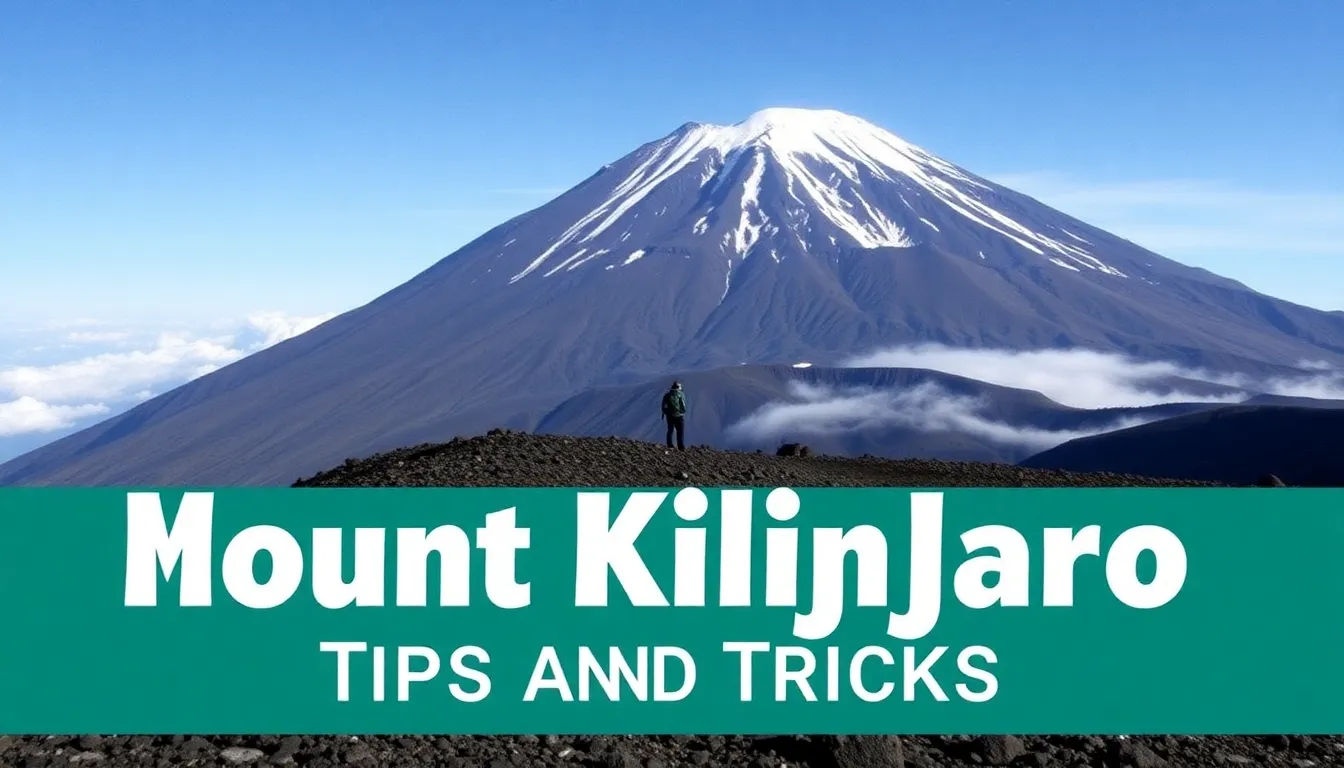
Climbing Mount Kilimanjaro is not just another tick on the bucket list; it’s a transformative journey that challenges both body and mind. Each year, this majestic mountain draws thousands of adventurers eager to conquer its snow-capped summit. However, preparation is key to ensuring that this endeavor is both safe and rewarding. Here’s an in-depth exploration of everything you need to know to maximize your Kilimanjaro experience.
Understanding the Routes Up Kilimanjaro
Mount Kilimanjaro features six primary routes, each presenting unique challenges, scenic views, and varying success rates. Choosing the right route is crucial for your overall experience and chances of reaching the summit.
The main routes include:
- Marangu Route: Often referred to as the «Coca-Cola Route,» it offers hut accommodations and is the only route that allows for easier access to amenities. However, it has a relatively low success rate due to the tendency of climbers to rush to the summit.
- Machame Route: Known as the «Whiskey Route,» this is the most popular path. It features stunning scenery and a higher success rate of over 60% when trekked over seven days, allowing for better acclimatization.
- Rongai Route: This approach from the north is less crowded and considered the easiest route, but it lacks some of the breathtaking views found on other paths.
- Shira Route: Starting in the west, this path provides spectacular views but involves significant altitude gain early in the trek.
- Lemosho Route: Celebrated for its beauty and variety, this route is more expensive but offers a chance to experience the diverse ecosystems of Kilimanjaro.
- Umbwe Route: Designed for experienced climbers, this route presents a challenging ascent involving scrambling rather than straightforward hiking.
Regardless of your route choice, a minimum of seven days is recommended to allow for proper acclimatization and to enhance your chances of summiting successfully.
Cost Considerations for Your Kilimanjaro Climb
The cost of climbing Kilimanjaro can vary dramatically based on the tour operator, the route, and the level of service provided. Prices typically range from $1,000 to over $5,000 per person. Here are some factors to consider:
- Quality of Guides: Opt for companies that prioritize training and experience for their guides. This not only enhances your learning experience but also increases safety.
- Porter Treatment: Choose a company that treats its porters ethically and fairly. Companies that pay their staff well usually provide better services overall.
- Inclusions: Look for packages that include gear rental, accommodation, and meals. It’s essential to understand what is covered in your package to avoid unexpected expenses.
While it may be tempting to go for the cheapest option, investing in a reputable company can make a significant difference in your overall experience and safety. Booking with a company charging less than $2,000 might result in a bare-bones experience that could compromise your safety.
Choosing the Right Tour Company
With numerous tour operators available, selecting the right one can be daunting. Here are some tips to help you make an informed choice:
- Read Reviews: Check multiple platforms for feedback on the tour companies you’re considering. Look for consistent comments about gear quality and guide professionalism.
- Client-to-Porter Ratio: A lower ratio often means more personalized attention during your trek, which can enhance your experience.
- Success Rates: Inquire about the company’s success rate on the route you’re interested in. This information can provide insights into their experience and expertise.
- Ethical Practices: Look for companies recognized by the Kilimanjaro Porters Assistance Project, which ensures fair treatment of porters.
- Accommodation Arrangements: Check if the company includes hotel stays before and after the trek to ensure a comfortable night’s sleep.
Ultimately, companies like Intrepid Travel and G Adventures are often recommended due to their adherence to ethical practices and commitment to quality service.
The Importance of Tipping
Tipping your climbing team is an essential part of the Kilimanjaro experience. A typical team may include a lead guide, assistant guides, porters, and a cook, all of whom contribute significantly to your success. The customary tipping breakdown is as follows:
- Main Guide: $20 per day
- Assistant Guide: $15 per day
- Cook: $12 per day
- Toilet attendant: $5-$10 per day
- Porters: $5-$10 per day each
It’s important to prepare your tips in the local currency before the trek, as you will need to distribute them while still on the mountain. Being generous is appreciated, as it acknowledges the hard work and effort your team has put into ensuring your safety and comfort.
Preparing for the Climb: Essential Tips
Preparation is crucial for a successful Kilimanjaro climb. Here are thirteen essential tips to consider:
- Ensure Insurance Coverage: Verify that your travel insurance covers high-altitude hiking, as many policies have restrictions.
- Train in Advance: Build your endurance with regular hikes and conditioning to prepare for the physical demands of the trek.
- Mental Preparation: Understand that the climb will test your mental resilience as much as your physical stamina.
- Altitude Medication: Consult your doctor about altitude sickness medications like Diamox and carry some with you.
- Water Purification: Although your porters will provide boiled water, consider bringing a filter for extra safety.
- Company Gear Rental: If you don’t own all necessary equipment, choose a tour company that provides gear for rent.
- Bring Snacks: Pack high-energy snacks to keep your spirits up, especially during long hiking days.
- Private Toilet Option: Consider paying extra for a portable toilet; it can vastly improve your comfort.
- Stay Hydrated: Aim to drink 4-5 liters of water daily to combat altitude-related issues.
- Break in Your Boots: Ensure your hiking footwear is comfortable and well-fitted to prevent blisters.
- Go Slow: Acclimatization is essential. Heed your guides’ advice and maintain a slow pace.
- Communicate Dietary Needs: Inform your tour company about any dietary restrictions and confirm them multiple times.
- Bring Extra Batteries: Ensure your devices are charged to capture the stunning moments of your journey.
Addressing Common Questions About Climbing Kilimanjaro
As you prepare for your adventure, you might have several questions. Here are some frequently asked questions about climbing Kilimanjaro:
How long does it take to hike Kilimanjaro?
The duration of the hike varies between 5 to 9 days, depending on the chosen route. Longer treks allow for better acclimatization, which is crucial for success.
Can you experience altitude sickness?
Yes, altitude sickness can affect climbers differently. It’s vital to ascend slowly and consider altitude medication as a precaution.
How difficult is the hike?
The trek presents considerable challenges, particularly on summit night, when climbers face extreme cold, fatigue, and long hours of hiking in darkness.
Do you need supplemental oxygen?
No, supplemental oxygen is not required for climbing Kilimanjaro.
When is the best time to climb?
The prime climbing seasons are typically from December to March and June to October, when the weather conditions are more favorable.
How cold can it get at the summit?
Temperatures at the summit can plummet as low as -20°C (-4°F), so be prepared with appropriate cold-weather gear.
What are the main reasons for failure to reach the summit?
Common reasons include inadequate physical preparation, altitude sickness, and adverse weather conditions. Prepare well to bolster your chances of success.
Climbing Kilimanjaro is an extraordinary adventure that requires careful planning, training, and consideration of various factors. By taking the time to prepare adequately and choosing the right guides, you will enhance your enjoyment of this once-in-a-lifetime journey. Embrace the challenge and get ready to stand atop the Roof of Africa, surrounded by breathtaking views and a deep sense of accomplishment.