

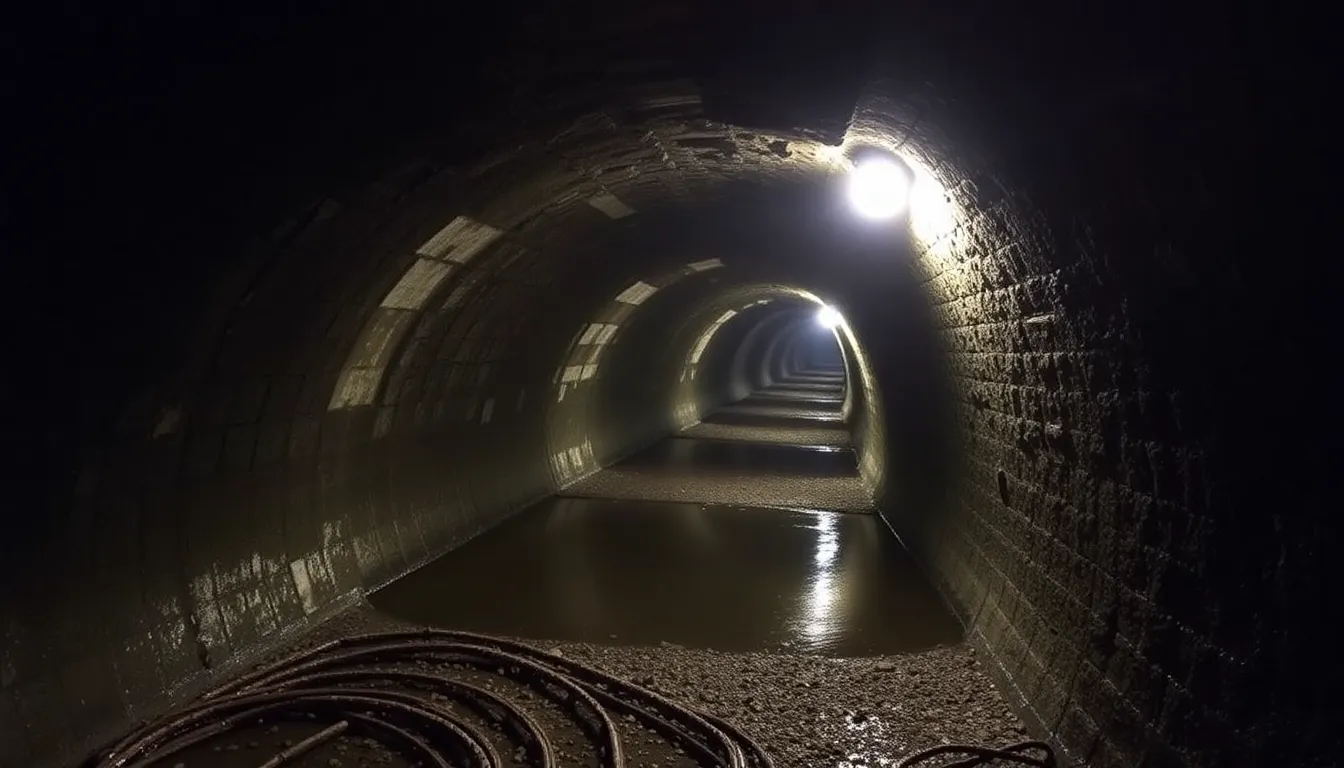
When one thinks of Paris, the mind inevitably drifts towards iconic landmarks like the Eiffel Tower, the Louvre, and the charming streets of Montmartre. However, beneath this enchanting city lies a hidden gem that tells stories of its own — the Paris Sewers. This unusual museum not only offers a unique perspective on the city’s infrastructure but also invites visitors to explore a fascinating aspect of urban life that often goes unnoticed.
As you wander through the bustling boulevards and picturesque parks, take a moment to consider what lies beneath your feet. The Paris Sewers Museum (Le Musée des Égouts de Paris) is a remarkable destination that sheds light on how this historic city manages its waste while intertwining history, engineering, and a touch of the macabre.
A fascinating history of the Paris sewers
The history of the Paris sewer system is as rich and layered as the city itself. Paris has been inhabited for thousands of years, transforming from a modest Roman outpost into a sprawling metropolis. As the population grew, so did the challenge of managing waste effectively.
In ancient times, the Seine River served as a natural disposal system for the city’s refuse. While this may have seemed practical at first, the increasing population during the Middle Ages led to severe pollution problems. By the late 14th century, the river was no longer a safe source of drinking water; it became a breeding ground for diseases.
In response to public health crises, Paris began constructing sewers in 1370. The initiative continued, eventually expanding under the reigns of influential leaders such as Louis XIV and Napoleon Bonaparte. Despite these efforts, the system was still inadequate. Victor Hugo famously described the sewers as «fetid, wild, fierce,» highlighting the pressing need for reform.
It was not until the 19th century that significant improvements were made under the guidance of engineer Eugène Belgrand. His contributions included:
- Expanding the sewer network by over 1,000 kilometers (621 miles).
- Implementing a treatment plant to process waste more effectively.
- Building aqueducts to ensure clean drinking water for the growing population.
Today, Paris boasts over 2,100 kilometers (1,304 miles) of sewer pipelines, the largest system worldwide, capable of handling up to 2 million cubic meters of waste daily. The sewers were first opened to tourists during the 1867 World Expo, and the museum has since become a popular attraction for those seeking an unconventional glimpse into the city’s underbelly.
Exploring the Paris Sewers Museum
Visiting the Paris Sewers Museum is a unique experience that offers insights into the engineering marvels that keep the city running smoothly. Located near the Alma Marceau metro stop, the museum is easily accessible and opens its doors Tuesday through Sunday from 10 am to 5 pm (with the last admission at 4 pm).
Admission fees are reasonable, with general entry costing 9 EUR and discounts available for students and seniors. Additionally, visitors can take advantage of audio guides available in multiple languages, including English, French, and Spanish, to enhance their understanding.
The tour typically takes about 45 minutes and begins with informative displays detailing the history of the sewer system. As you walk through the tunnels, you will encounter various exhibits showcasing old cleaning equipment and the evolution of sewer technology. Notably, you might spot large metal balls used to clear debris through water pressure, demonstrating the ingenuity behind this underground network.
While some areas may only feature French signage, the majority of the content is presented in English, making it accessible to international visitors. It’s advisable to grab an audio guide to ensure you don’t miss any interesting tidbits about this unique site.
What to expect during your visit
Visitors to the museum can anticipate a blend of historical education and sensory experience. As you traverse the tunnels, you’ll witness the flow of waste water beneath your feet, a reminder of the vital functions these sewers perform daily. Surprisingly, the odor is not as overwhelming as one might expect, thanks to effective ventilation systems and regular maintenance.
The museum showcases not only the practical aspects of sewage management but also the cultural significance of the sewers in Parisian life. For instance, the sewers have been referenced in literature and film, reflecting their unique role in the city’s narrative.
In addition to the exhibits, the museum offers a glimpse into the challenges faced by modern cities regarding waste management. Issues of sustainability and environmental impact are increasingly relevant, and the Paris Sewers Museum addresses these topics by highlighting contemporary practices for maintaining urban hygiene.
Planning your trip to the Paris Sewers Museum
As you prepare for your visit to the Paris Sewers, consider the following tips to make the most of your experience:
- Getting there: Use the Alma Marceau metro station for easy access.
- Timing: Aim to visit during weekdays to avoid potential crowds on weekends.
- What to bring: Hand sanitizer is a must, especially after your journey through the sewers.
- Language: While many exhibits have English translations, an audio guide can enhance your understanding.
This museum provides a compelling narrative on how Paris has tackled the age-old problem of waste management while transforming its sewer system into a marvel of modern engineering.
Additional attractions near the Paris Sewers Museum
After your visit to the Paris Sewers Museum, consider exploring nearby attractions that further enrich your Parisian experience:
- Champs-Élysées: One of the most famous avenues in the world, lined with shops, cafes, and theaters.
- Arc de Triomphe: A monumental arch honoring those who fought for France, offering stunning views from the top.
- Palais de Tokyo: A contemporary art museum featuring innovative exhibitions and installations.
While many travelers flock to the Eiffel Tower and the Louvre, the Paris Sewers Museum provides a fascinating alternative that reveals the complexities of urban life beneath the city. This unique attraction not only educates visitors about the challenges of waste management but also showcases the ingenuity required to keep one of the world’s most beloved cities thriving. Don’t miss this opportunity to explore an unusual but essential part of Paris’s history!


