

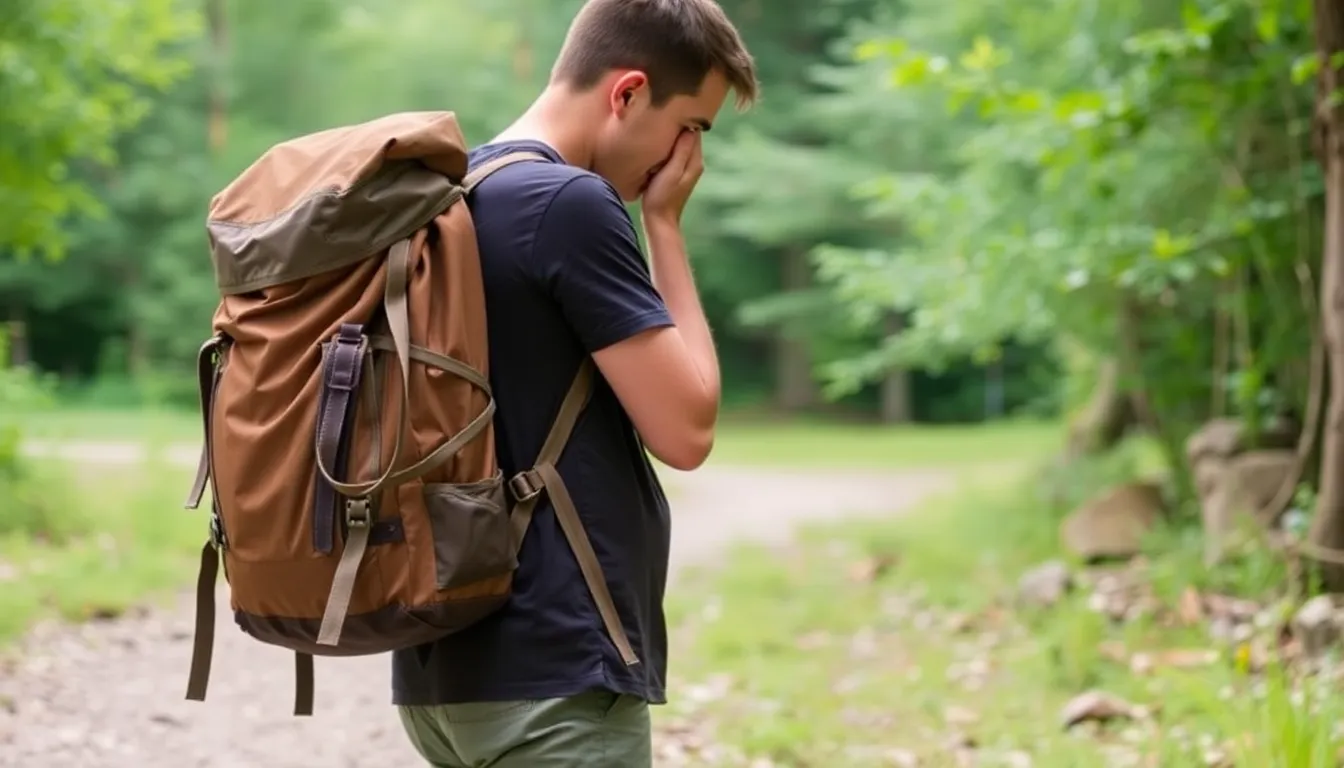
Backpacking is a unique way to explore the world, offering an adventure like no other. However, it’s not all sunshine and rainbows. While the freedom and excitement of traveling light can be exhilarating, there are also numerous challenges that often go unspoken. Here’s an in-depth look at the aspects of backpacking that can sometimes lead to frustration.
Understanding the backpacking experience
Backpacking is more than just traveling from one place to another; it embodies a lifestyle choice that emphasizes spontaneity, adventure, and budget-consciousness. This form of travel allows individuals to immerse themselves in different cultures, meet fellow travelers, and often discover hidden gems off the beaten path.
However, the essence of backpacking comes with its own set of hurdles. Many who embark on this journey face challenges that can shadow the joy of exploration. Recognizing these issues can help future backpackers prepare for their adventures, ensuring a more enriching experience.
Common challenges faced by backpackers
Backpacking offers unique experiences and interactions, but some aspects can become frustrating. Here are the top challenges that many backpackers encounter:
1. Dormitory Living
Hostel dorms are a staple of backpacking, providing budget-friendly accommodation and opportunities to meet fellow travelers. However, sharing a room with strangers can lead to several inconveniences:
- Noise disruptions from snorers or late-night chatter.
- Limited privacy, making it difficult to unwind after a long day.
- Inconvenient bunk arrangements, especially if you end up on the top bunk.
While the camaraderie can be enjoyable, a lack of personal space may lead to exhaustion rather than relaxation.
2. Repetitive Conversations
Upon meeting fellow travelers, conversations often revolve around the same few questions like «Where are you from?» or «What’s your travel plan?» While these queries can be a good icebreaker, they can quickly become monotonous.
To keep conversations fresh, consider steering the dialogue in a different direction:
- Ask about their favorite travel experience.
- Inquire about their best local food recommendations.
- Share quirky travel facts or stories.
This not only enhances social interactions but also deepens connections.
3. Temporary Friendships
One of the joys of backpacking is meeting incredible people along the way. Yet, these relationships can often be fleeting, leading to a cycle of quick friendships followed by goodbyes.
While it’s uplifting to connect with others, the transient nature of these friendships can be disheartening. Learning to cherish the moment while accepting that these connections may not last is crucial for emotional well-being.
4. Party Culture
Backpacking often comes with a vibrant party culture, where the excitement of new beginnings leads to frequent nights out. While socializing over drinks can be fun, it can also become tedious and financially draining.
To break this cycle, consider proposing alternative activities:
- Organize a game night in the hostel.
- Plan a group outing to a local landmark.
- Host a potluck dinner to share home-cooked meals.
Exploring varied activities can lead to richer experiences and create lasting memories beyond the nightlife scene.
5. The Balance of Budgeting
Budget constraints are a reality for many long-term travelers. While frugality is essential, it’s important to remember that some experiences are worth the splurge. Skipping local delicacies or unique experiences for the sake of saving can lead to missed opportunities.
Consider the following when budgeting:
- Prioritize spending on experiences that enhance your trip.
- Set aside a «splurge fund» for special activities or meals.
- Seek out local markets for affordable yet authentic culinary experiences.
Finding a balance between budgeting and enjoying the journey can enhance the overall experience.
6. Overzealous Backpackers
In the backpacking community, it’s common to encounter travelers who feel the need to assert their knowledge or experiences. This can manifest in unsolicited advice or conversations that come off as competitive.
It’s vital to approach interactions with openness and respect. Recognizing that every traveler has their unique journey can foster more positive exchanges.
7. The Competition of Travel Experience
Some backpackers engage in a game of one-upmanship, comparing the number of countries visited or experiences had. This competitive attitude can detract from the personal nature of travel.
Instead of focusing on who has traveled more, celebrate the diversity of experiences among travelers. Each journey is unique, and there’s value in sharing individual stories.
8. Conformity in Travel
While backpackers often embody a spirit of adventure, many end up following well-trodden paths. Popular destinations are famous for a reason, but straying from the crowd can lead to unexpected discoveries.
Encourage yourself to explore lesser-known areas or try alternative routes. This not only enriches personal experiences but also supports local economies.
9. The Pressure to Be Social
Traveling can be exhausting, and sometimes, you may crave solitude. However, the communal nature of hostels can create pressure to remain social at all times.
It’s essential to carve out personal time. Whether it’s enjoying a good book or simply resting, prioritizing self-care is crucial for maintaining mental health.
10. Emotional Goodbyes
Frequent goodbyes can take an emotional toll. Even with technology, staying in touch can be challenging, and the reality is that many connections may fade over time.
While it’s tempting to dwell on these farewells, focusing on the memories created and the experiences shared can help mitigate feelings of loss.
11. Short-lived Relationships
Romantic connections while traveling can be thrilling but often face the same challenges as friendships, leading to a series of brief, intense relationships. The lack of closure can complicate emotions.
Recognizing that travel can create unique connections while also accepting their transient nature can help navigate these experiences more effectively.
12. The Backpack Flag Culture
Displaying flags or patches on backpacks can be a way to showcase travel accomplishments. However, some view it as a form of bragging.
While it’s natural to want to celebrate your travels, remember that the stories and experiences behind each destination are far more valuable than outward symbols.
13. Untidy Communal Spaces
Hostel kitchens can often become chaotic, with travelers neglecting to clean up after themselves. This lack of consideration can lead to frustration among those who value cleanliness.
Practicing good etiquette and respecting shared spaces can enhance the communal experience for everyone.
14. Difficulty in Staying Active
Maintaining a fitness routine while traveling can be challenging. Limited access to gyms or workout facilities may lead to feelings of lethargy.
Consider incorporating physical activities into your travels, such as hiking, biking, or participating in local fitness classes, to stay active and engaged.
15. Privacy Concerns
Shared dorms can lead to awkward situations, especially concerning personal privacy. It’s important to establish boundaries and respect others’ spaces.
Whenever possible, consider opting for private rooms if you value personal space and quiet.
Despite these challenges, the backpacking lifestyle offers incredible opportunities for adventure and connection. Embracing both the highs and lows is part of what makes travel so rewarding. Remember, every experience contributes to your growth as a traveler and as an individual. Happy travels!


