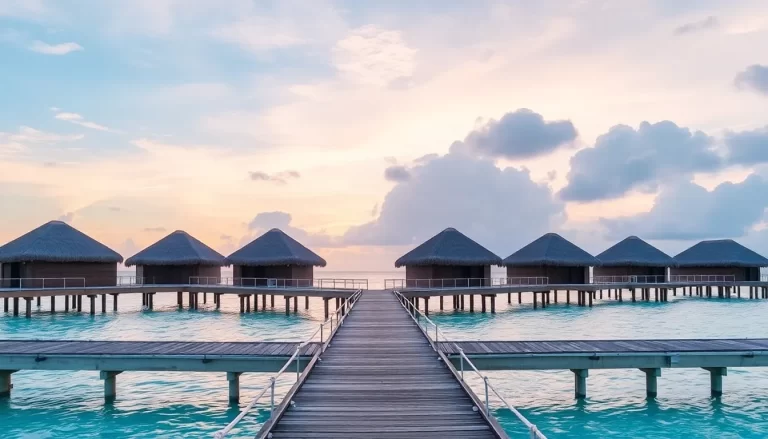


Capturing the perfect travel photograph is more than just pressing a button; it involves understanding light, composition, and the unique elements of your surroundings. Whether you’re a novice or an experienced photographer, enhancing your skills can transform your travel memories into stunning visual stories. Here are some essential tips from professional photographer Laurence Norah to help you take your travel photos to the next level.
How to take stunning travel photos
Travel photography is an art that captures the essence of a journey, allowing others to experience the places you’ve visited through your lens. To achieve this, it’s crucial to consider various factors that influence the outcome of your photos, especially the lighting conditions. Many travelers mistakenly believe that bright, sunny days are ideal for photography; however, harsh light can lead to unflattering shadows and overexposed highlights. Instead, aim for softer light during the golden hour—just after sunrise or before sunset—when the atmosphere is bathed in warm hues.
Understanding the elements of photography
Photography is built on several fundamental elements that can dramatically improve your skills. Here are seven key components to consider:
- Light: The quality, direction, and color of light can make or break a photograph.
- Composition: Arranging elements within your frame effectively draws the viewer’s eye.
- Depth of Field: Controlling what is in focus helps to isolate your subject or capture broader scenes.
- Timing: Being in the right place at the right time can lead to unique photo opportunities.
- Perspective: Changing your viewpoint can add a new dimension to your images.
- Subject Matter: Whether it’s landscapes, people, or architecture, choose subjects that resonate with you.
- Post-Processing: Editing allows you to enhance your images and express your creative vision.
Mastering the rule of thirds in travel photography
The rule of thirds is a classic compositional guideline that can help make your photographs more dynamic. Imagine dividing your frame into a 3×3 grid. The idea is to place your subject along these lines or at their intersections, rather than centering it. This technique often results in a more balanced and engaging photo. For instance, if you’re photographing a sunset, position the horizon line along the bottom third of the frame to highlight the sky’s colors.
Creative posing techniques for travel photos
When it comes to photographing people during your travels, posing can significantly impact the outcome of the image. Here are some tips to consider:
- Natural Interactions: Capture candid moments where subjects are engaged in conversation or activity.
- Movement: Encourage subjects to move slightly for a more relaxed look.
- Angles: Shoot from different heights or angles to add variety to your portraits.
- Context: Incorporate the surroundings to tell a story about the location.
Encouraging your subjects to express themselves freely can lead to more genuine and captivating photos.
Utilizing natural light effectively
To truly excel at travel photography, understanding how to work with natural light is essential. Here are some strategies to keep in mind:
- Use the Sun to Your Advantage: Position yourself so the sun illuminates your subject from behind, creating a well-lit image.
- Embrace Harsh Light: Instead of avoiding it, explore the unique effects of shooting into the sun for silhouettes.
- Take Shelter: When photographing people, seek shaded areas to minimize harsh shadows and achieve smoother skin tones.
How to incorporate weather into your photos
Weather can dramatically alter the mood and composition of your photographs. Embrace different conditions as opportunities for creativity:
- Overcast Days: Soft, diffused light on cloudy days can enhance colors and reduce harsh contrasts.
- Rain: Capture reflections and droplets for a unique perspective on familiar landscapes.
- Snow: Use the bright landscape to create high-contrast images or showcase the beauty of winter scenes.
By adapting your style to the weather, you can create striking and memorable images.
Exploring street photography techniques
Street photography is an excellent way to document daily life and cultural nuances. To excel in this genre, consider the following:
- Be Observant: Look for interesting interactions, architecture, or local customs.
- Engage with Subjects: If you want to photograph people, approach them politely and share a bit about yourself.
- Use Wider Depth of Field: Capture the environment along with your subjects to provide context.
Tips for capturing breathtaking landscapes
Landscape photography requires patience and practice. Here are some techniques to help you achieve stunning results:
- Use a Tripod: Essential for stability, especially during long exposure shots.
- Polarizing Filters: These can enhance colors and reduce glare, making skies pop.
- Composition Techniques: Utilize leading lines, the rule of thirds, and foreground interest to create depth.
By mastering these elements, you can create breathtaking landscape images that resonate with viewers.
Taking dynamic action shots
Capturing action effectively can add excitement to your travel photography. Here are two techniques to consider:
- Fast Shutter Speed: Freeze the action by using a quick shutter speed for activities like sports or wildlife.
- Long Shutter Speed: Convey motion by deliberately blurring movement, as with waves crashing on the shore.
Strategies for photographing waterfalls
Waterfalls present unique photographic opportunities. To capture their beauty:
- Slow Shutter Speed: Use a slower shutter speed for a soft, ethereal effect on the water.
- Composition: Experiment with different angles to include surrounding scenery for context.
- Light Considerations: Look for rainbows created by the mist in sunlight for added visual interest.
Conclusion: Elevating your travel photography skills
Improving your travel photography is about a blend of technical knowledge and creative expression. Understanding light, composition, and your equipment empowers you to capture your adventures uniquely and memorably. As you continue to practice these tips, you’ll find that each journey yields images that tell a story, preserving your experiences for years to come.