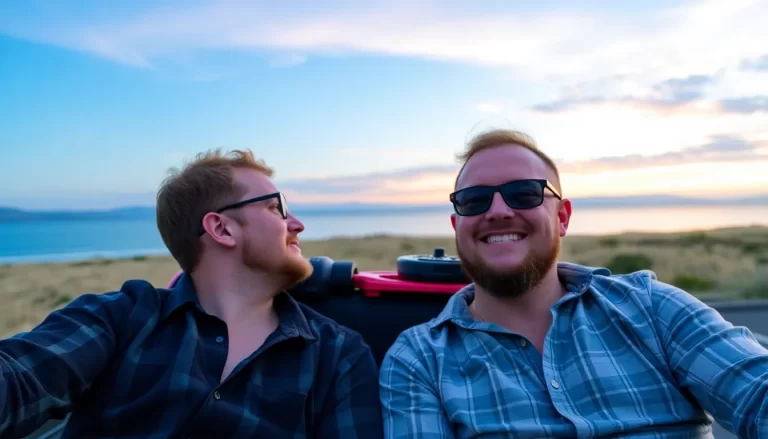


Traveling can be one of the most enriching experiences, but it can also lead to unexpected challenges. Whether it’s a sudden change in weather, health issues, or even minor inconveniences like a lost wallet, being prepared can make all the difference. Here are essential tips to ensure you’re ready for anything during your adventures.
Essential travel preparation checklist
Before embarking on your journey, it’s crucial to have a thorough checklist to ensure you have everything covered. Being organized can help you reduce stress and avoid last-minute packing chaos.
- Check passport validity and visa requirements for your destination.
- Book accommodations and confirm reservations.
- Make a packing list tailored to your activities.
- Buy travel insurance for peace of mind.
- Inform your bank of your travel plans to avoid card issues.
- Download offline maps and travel apps to navigate easily.
Practical items to pack for traveling
Packing the right items can significantly enhance your travel experience. Here are some practical tools and gear to consider:
1. Multipurpose gear
Selecting clothing and accessories that serve multiple purposes can save space and weight in your luggage. For instance, consider:
- Pants that convert to shorts.
- Shoes suitable for both hiking and casual outings.
- Quick-dry towels that can double as beach and bath towels.
This strategy not only reduces your packing burden but also keeps you prepared for diverse activities, from spontaneous dinners to unexpected hikes.
2. First aid essentials
A small first aid kit can be a lifesaver. Pack essential items such as:
- Pain relievers like ibuprofen or acetaminophen.
- Anti-nausea medication.
- Adhesive bandages and antiseptic wipes.
- Allergy medication for unforeseen reactions.
While pharmacies are often accessible, having these items readily available can save you time and trouble in case of an emergency.
3. Portable lighting
A small flashlight or headlamp can be invaluable. Whether you’re camping, exploring caves, or navigating dark streets, having a light source can enhance your safety and comfort. Remember to pack extra batteries too.
4. Reusable water bottle with filter
Staying hydrated is vital for your health while traveling. A reusable water bottle equipped with a filter not only reduces plastic waste but ensures you have access to clean drinking water. Brands like SteriPen and LifeStraw offer reliable options for travelers.
Language and communication tips for travelers
Effective communication can greatly enhance your travel experience. Here are some suggestions:
5. Learn a few local phrases
Familiarizing yourself with basic phrases in the local language can foster goodwill. Simple greetings like “hello,” “thank you,” and “goodbye” can go a long way. Invest time in language apps or pocket phrasebooks to facilitate interactions.
6. Understanding nonverbal cues
Nonverbal communication is universal. Learning to read body language can help you navigate unfamiliar social situations. Pay attention to facial expressions and gestures, as they often convey emotions and intentions more accurately than words.
7. Emergency cash reserves
Despite the prevalence of ATMs, it’s wise to carry emergency cash. A stash of $200 can be invaluable in situations where you can’t access your accounts. Store this cash securely, preferably in a hotel safe, to safeguard against theft or loss.
8. Backup financial cards
Having a backup credit or debit card can save you from financial distress. Banks may occasionally lock accounts due to suspicious activity, and having an alternative means of accessing funds is crucial. Consider keeping one card in your luggage separate from your wallet.
Document safety and emergency planning
Keeping your important documents secure is essential when traveling. Here are key practices:
9. Make copies of critical documents
Always have photocopies of your passport, insurance policy, and any important identification. In case of loss or theft, these copies will facilitate the recovery of your documents. Keep one set with you and store another in a secure location.
10. Emergency contact list
Maintain a list of emergency contacts, including local authorities and medical facilities. This information is crucial for swift assistance during emergencies. Additionally, include a list of your allergies and medical conditions to inform healthcare providers if necessary.
11. Invest in travel insurance
Travel insurance is a critical safety net. It covers medical emergencies, trip cancellations, and lost belongings. Always read the terms carefully to understand what is covered and choose a plan that fits your travel needs.
Preparing for cultural differences
Understanding cultural norms can greatly enhance your travel experience. Here’s how to prepare:
12. Research your destination
Knowledge is power when traveling. Read about local customs, etiquette, and laws. Understanding these elements can help you navigate social situations and show respect to your hosts. For instance, knowing dining etiquette in Japan or dress codes in Muslim countries can prevent misunderstandings.
Traveling opens a world of possibilities, but the unexpected can occur at any time. By following these guidelines, you’ll be better equipped to handle challenges, allowing you to focus on enjoying your journey. Remember, being prepared is not just about having the right gear—it’s about ensuring you can adapt and respond to whatever comes your way.