

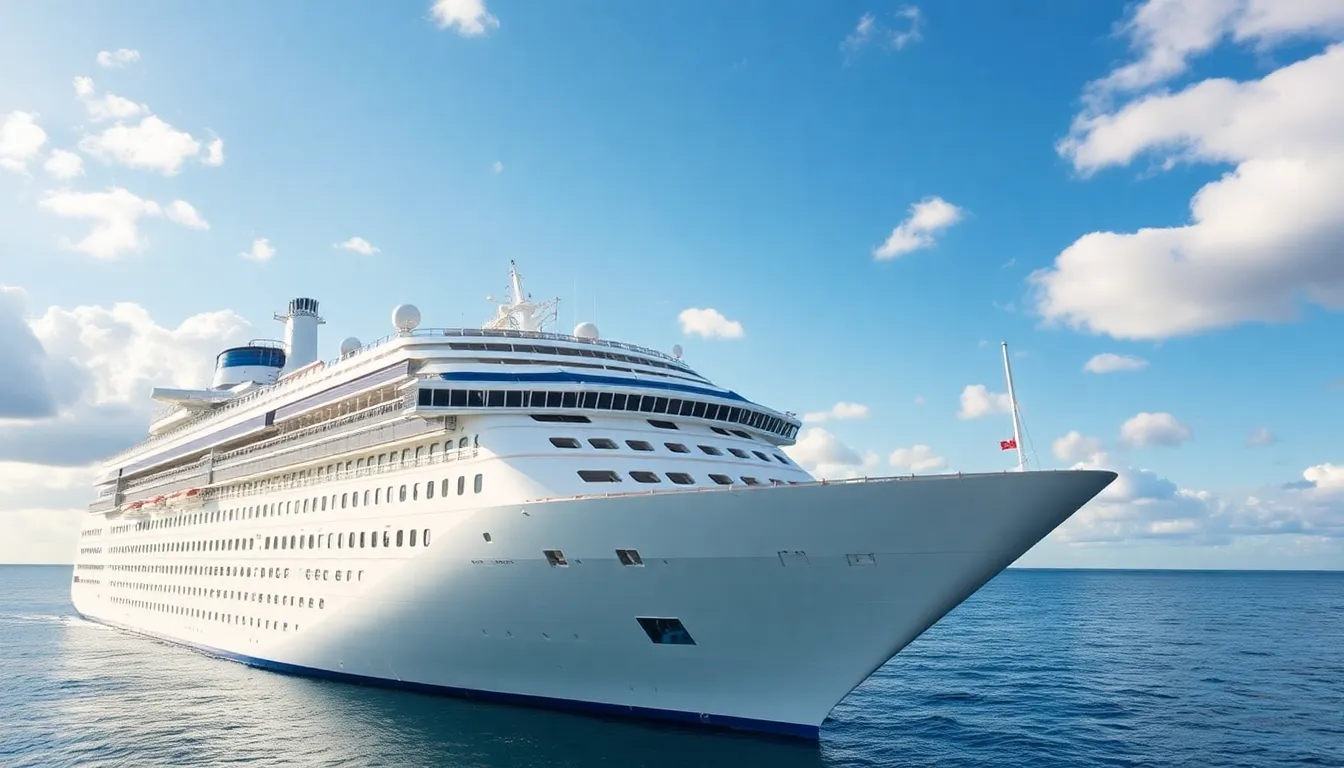
Traveling by cruise can be an exhilarating experience, offering unique adventures, breathtaking views, and a chance to unwind. However, just like any other form of travel, it comes with its own set of risks and uncertainties. This is where travel insurance plays a crucial role, especially designed for cruises. Understanding the intricacies of cruise travel insurance can save you from unexpected financial burdens and ensure peace of mind during your journey.
While most travelers assume they will have a smooth sailing experience, things can go wrong at any moment. Unexpected health issues, missed connections, or even severe weather can disrupt your plans. Securing the right insurance is essential, particularly for a cruise, where specific conditions apply. Below, we dive deeper into the world of cruise travel insurance, exploring what you need to know to stay protected on your next voyage.
Understanding Cruise Travel Insurance
Cruise travel insurance is a specialized form of insurance tailored to meet the unique needs of cruise travelers. Unlike standard travel insurance, cruise travel insurance must address specific scenarios such as missing the ship due to flight delays, medical emergencies while at sea, and cancellation due to unforeseen events.
Here are a few scenarios where cruise travel insurance proves invaluable:
- Missed connections due to flight delays or cancellations.
- Medical emergencies that occur onboard.
- Trip cancellations for legitimate reasons, such as illness or natural disasters.
- Evacuations from the cruise ship due to health emergencies.
It is essential to choose a policy that comprehensively covers these potential risks, ensuring that you are not left vulnerable while enjoying your cruise experience.
Key Features to Look for in Cruise Travel Insurance
When selecting cruise travel insurance, there are several critical features to consider that can significantly impact your coverage:
- Worldwide Coverage: Ensure your policy covers both international and domestic travel. Some health insurance plans cease coverage once you are a certain distance from your home country.
- Medical Coverage: Look for a plan that offers substantial medical coverage, ideally at least $100,000, as medical expenses on cruise ships can be significantly higher than on land.
- Emergency Evacuation: If you require urgent medical attention while at sea, evacuation costs can escalate rapidly, sometimes exceeding $250,000. Make sure your policy includes adequate evacuation coverage.
- Trip Interruption Protection: If you miss your cruise departure due to unforeseen circumstances, your insurance should cover additional expenses and potential losses.
- Activity Coverage: Many cruises offer excursions that may involve adventurous activities. Ensure that your insurance covers these activities, especially those considered high-risk.
- Theft and Property Loss: Cruises often encourage dressing up for formal dinners, which means you may carry valuable items. Ensure your policy covers theft or loss of personal property adequately.
- Cancel for Any Reason (CFAR) Option: While this add-on can increase your premium, it provides maximum flexibility, allowing you to cancel your trip for any reason and still receive reimbursement.
Choosing the Best Cruise Travel Insurance Providers
With an array of options available, selecting the right insurance provider can be daunting. While cruise lines offer their own insurance plans, these often come with limitations. Many travelers find third-party insurers to be more reliable and comprehensive. Here are some recommended providers:
- Travel Guard: Known for its tailored cruise insurance policies, Travel Guard offers coverage for trip interruption, emergency evacuation, and medical expenses.
- Insure My Trip: This aggregator site allows you to compare various insurance policies, ensuring you find the best fit for your needs.
- VisitorCoverage: With a specific cruise section, this marketplace compares different plans, including options that cover pre-existing conditions.
When choosing a provider, always read the policy details closely to understand what is covered and what is excluded. Pay attention to the claims process, as some companies may complicate the reimbursement process.
Cost of Cruise Travel Insurance
The cost of cruise travel insurance can vary widely based on several factors, including your age, the length of the cruise, and the coverage limits. On average, you might expect to pay between 5% to 10% of your total trip cost for comprehensive coverage. Here are some factors that can influence your premium:
- Length of the Cruise: Longer cruises will generally result in higher premiums.
- Your Age: Older travelers often face higher insurance rates due to increased health risks.
- Destination: Cruises to regions with higher medical costs, like the Caribbean, may have higher premiums.
- Coverage Level: More extensive coverage options will naturally come at a higher cost.
It’s wise to shop around and compare quotes from multiple insurers to find the best balance between cost and coverage.
When to Purchase Cruise Travel Insurance
Timing is crucial when it comes to acquiring travel insurance for your cruise. Ideally, you should purchase your policy as soon as you book your cruise. Many policies require you to buy insurance within a certain timeframe after making your initial deposit, often within 14 days. This is particularly important for:
- Pre-existing condition waivers, which may only apply if you purchase insurance promptly.
- Coverage for events that may occur before you set sail, such as natural disasters.
- Ensuring that you are protected from the moment your trip begins, not just when you board the ship.
Final Thoughts on Cruise Travel Insurance
Embarking on a cruise can be an exciting adventure filled with new experiences and memories. However, without adequate travel insurance, you may find yourself facing unexpected challenges that could lead to significant financial stress. Understanding the specifics of cruise travel insurance is vital for ensuring you are adequately protected.
Ultimately, investing in a good travel insurance policy is not just an added cost; it’s a necessary step to safeguard your trip. After all, the peace of mind that comes with knowing you are covered in case of unexpected events is invaluable. Remember, when it comes to travel, it’s always better to be prepared than to face unforeseen financial burdens.