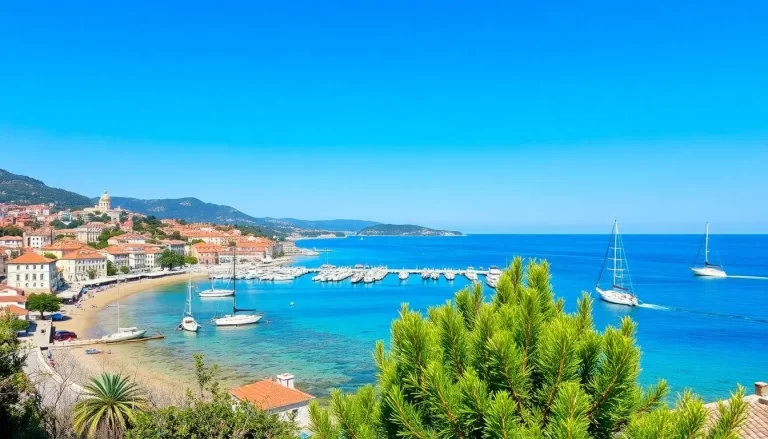


Traveling to Western Europe is a dream for many, but understanding the costs can be daunting. Whether you’re planning a short getaway or an extended journey, knowing how to budget effectively can make your trip more enjoyable and less stressful. Let’s explore the various expenses you can expect when traveling through this diverse and culturally rich region.
Understanding the Cost of Traveling in Western Europe
One of the most frequently asked questions among travelers is, “How much does it cost to travel to Europe?” The answer varies widely based on your destination, time of year, and personal travel style. Europe is not a monolith; each country has its own unique pricing structure influenced by factors like location, currency, and overall cost of living.
For instance, you might find that a private room in Greece costs around 45 EUR, while in Paris, the same amount might only get you a bed in a 16-person dormitory. This stark contrast illustrates how essential it is to research your specific destinations before planning your trip.
General Costs to Expect
To help you better understand the financial landscape, here’s a breakdown of some typical costs you might encounter while traveling in Western Europe:
- Accommodation: Dorm rooms typically range from 27–43 EUR per night, with prices peaking at around 70 EUR in major cities during the high season. Private rooms in budget hotels can run between 48-133 EUR, depending on the location.
- Food: Dining costs vary widely. Fast food meals or street food can be found for 3-7 EUR, while dining in a casual restaurant usually costs around 15-25 EUR. A pint of beer typically falls between 3-5 EUR.
- Transportation: Trains are the most convenient option for intercity travel, especially if booked in advance. Expect high-speed train tickets to cost between 85-105 EUR, while regional trains can be significantly cheaper, often around 25-45 EUR.
- Activities: Entrance fees for museums usually start at 10-14 EUR and can go up to 20-25 EUR for more popular sites. Tours range from 25-130 EUR depending on their length and complexity.
Accommodation Options: Finding Your Perfect Stay
When it comes to accommodation, the options are as varied as the countries in Western Europe. Here are a few noteworthy types:
- Hostels: Ideal for budget travelers, hostels offer dormitory-style beds and shared facilities at lower costs.
- Hotels: Mid-range hotels provide comfort and privacy, typically costing more than hostels but less than luxury options.
- Airbnb: Renting a room or an entire apartment can be a cost-effective alternative, especially for groups or longer stays.
Consider the location of your accommodation carefully; staying slightly outside major tourist areas can often save you money while still providing easy access to attractions.
Food and Drink: Budget-Friendly Eating
Food is an essential part of any travel experience, and in Western Europe, it can range from street food to fine dining. Here are some money-saving tips:
- Street Food: Look for local street vendors selling traditional dishes at lower prices than restaurants.
- Grocery Stores: Purchasing groceries and preparing your own meals can significantly cut down food costs. A week’s worth of groceries can be around 95 EUR.
- Lunch Specials: Many restaurants offer lunch specials that provide meals at reduced prices compared to dinner.
By exploring local dining options, you can immerse yourself in the culture while also managing your food budget effectively.
Transportation Tips: Getting Around Efficiently
Western Europe boasts a robust transportation system, making it easy to navigate from one destination to another. Here are the most common methods of transport:
- Trains: High-speed and regional trains connect major cities, with the former being faster but more expensive.
- Buses: Budget bus services often provide cheaper alternatives for intercity travel, with tickets sometimes available for as low as 5 EUR.
- Cheap Flights: Low-cost airlines like Ryanair and EasyJet offer affordable flight options, especially if booked in advance.
In urban areas, public transport is usually efficient and affordable, with metro or bus tickets costing between 2-5 EUR.
How to Save Money While Traveling in Western Europe
With costs potentially adding up quickly, implementing smart travel strategies can help you save significant amounts of money. Here are some effective tips:
- Picnicking: Buy fresh ingredients from local markets and enjoy meals in parks or scenic spots.
- Free Tours: Many cities offer free walking tours—great for exploring while learning about local history.
- Travel Off-Peak: Visiting during the shoulder season can mean lower prices and fewer crowds.
By being strategic about your spending, you can stretch your budget further while still experiencing the best of what Western Europe has to offer.
Budgeting: Daily Costs Explained
When planning your budget, consider your travel style. Here’s a general idea of daily costs for different budgets:
- Backpacker Budget: Around 105 EUR per day, including dorm stays, street food, and free activities.
- Mid-Range Budget: Approximately 190 EUR per day allows for private accommodations and dining out.
- Luxury Budget: Expect to spend around 325 EUR per day for upscale hotels, fine dining, and premium activities.
Understanding these categories can help you tailor your trip to fit your financial situation comfortably.
Conclusion: Making the Most of Your Trip
Traveling in Western Europe doesn’t have to be prohibitively expensive. With careful planning, research, and a willingness to adjust your expectations, you can enjoy a memorable and fulfilling journey without breaking the bank. By following these tips and insights, you’re well on your way to crafting an affordable adventure through one of the most exciting regions in the world.