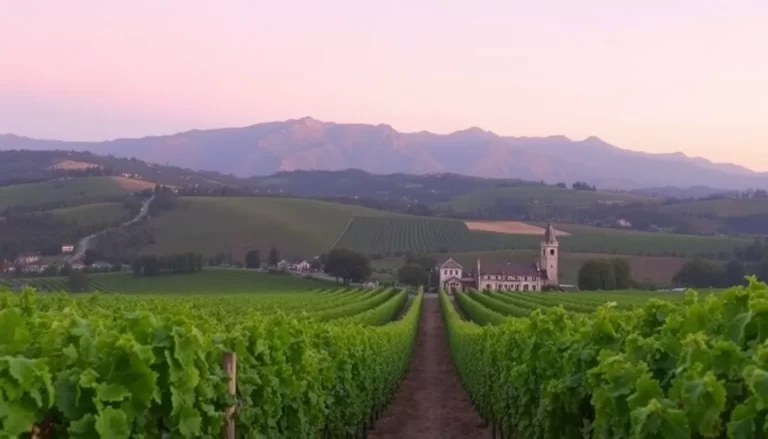


Spain, a country known for its vibrant culture and rich history, has a culinary scene that reflects its diverse regions and traditions. Matt Goulding, a prominent food writer, explores this fascinating world in his book Grape, Olive, Pig, offering readers an intimate look at the intersection of food and travel in Spain. In his work, he invites us to understand not just what to eat, but why it matters.
How Matt Goulding became a renowned food writer
Matt Goulding’s journey into the world of food writing is steeped in personal history and passion. Growing up in a family that valued travel, he was exposed to various cultures and cuisines from a young age. His mother’s role as a travel agent allowed him to explore places like New Zealand and Fiji, igniting a lifelong wanderlust.
Initially, Matt believed that cooking could be his ticket to travel. He worked in kitchens across the globe—from an oyster house in North Carolina to cafés in Los Angeles—but soon realized that his true calling lay in writing. He transitioned from cooking to chronicling his culinary experiences, ultimately becoming the food editor at Men’s Health.
The inception of Roads & Kingdoms
Matt’s career took a pivotal turn when he met Nathan Thornburgh, with whom he co-founded Roads & Kingdoms, a travel website that perfectly marries food and culture. Their collaboration caught the attention of the late Anthony Bourdain, who became a mentor and partner, helping to elevate their platform to new heights. The duo’s shared vision was to delve deeper into the food cultures of the world, leading to the publication of books that go beyond mere recipes.
Exploring the culinary treasures of Spain
With his new book, Grape, Olive, Pig, Matt shifts his focus to Spain, a country he has grown to love deeply. His connection to Spain began six years ago in Barcelona, and since then, he has immersed himself in its food culture. Unlike his previous work on Japan, which was from a newcomer’s perspective, this book reflects a deeper, more personal understanding of Spain’s culinary landscape.
Matt emphasizes that he aims to evoke a desire to travel to Spain through his writing. However, he also intends to provide readers with a nuanced understanding of the country’s food, culture, and history. Instead of a mere guide to where to eat, he offers context to the dishes, enriching the reader’s experience.
The essence of Spanish cuisine
One of the most appealing aspects of Spanish cuisine is its complexity, which can be divided into traditional and modernist styles. Modernist cuisine, often associated with chefs like Ferran Adrià of El Bulli, has brought international acclaim to Spanish gastronomy. However, Matt argues that the essence of Spanish cooking lies in its simplicity: high-quality ingredients prepared with care.
- Fresh produce and seafood
- High-quality olive oil
- Cured meats, especially jamón
- Simple cooking techniques
- Regional specialties that reflect local culture
This focus on quality and simplicity allows even the most basic dishes—like a perfectly cooked tortilla or a plate of sweet red shrimp—to shine. Matt insists that the secret to great Spanish food is not only about the ingredients but also the dedication to respecting culinary traditions.
The regional diversity of Spanish food
Spanish cuisine is far from monolithic; it is a tapestry woven from the distinct culinary threads of its various regions. Each area boasts its own specialties, influenced by geography, climate, and historical factors. Unfortunately, the homogenizing effects of modern tourism have led to a dilution of these regional identities.
To truly appreciate Spanish food, travelers need to be discerning. For example:
- In Galicia, indulge in octopus and shellfish, paired with a crisp Albariño.
- In Andalucía, savor jamón and fried fish, complemented by sherry.
- In the Basque Country, explore pintxos and robust grilled meats.
Understanding these regional nuances is essential for anyone looking to experience authentic Spanish cuisine. Matt advises against ordering popular dishes like paella outside their traditional settings, as they are often poorly executed and aimed at tourists.
The culture of food in Spain
Food in Spain transcends mere sustenance; it represents a way of life. The concept of sobremesa, the time spent lingering at the table after a meal, epitomizes the Spanish approach to dining. This practice emphasizes the importance of community and connection, where conversations flow freely long after the last bite is taken.
Meals are not rushed; instead, they serve as opportunities for social engagement, debate, and celebration. This cultural appreciation for food fosters a rich dining experience, making it integral to the fabric of Spanish society.
Is Spain’s food scene evolving?
While traditional Spanish cuisine remains deeply rooted, the country is not immune to global food trends. Fast-casual dining and international influences are starting to permeate the culinary landscape. However, Matt believes that the foundational principles of Spanish cooking will endure despite these changes.
As newer food trends emerge, such as gourmet burgers and tacos, the essence of Spanish cuisine—centered on quality ingredients and time-honored techniques—will continue to thrive. The enduring presence of traditional bars serving tapas ensures that the rich culinary heritage of Spain remains accessible.
Must-visit culinary destinations in Spain
If you are planning a culinary journey through Spain, Matt recommends starting in the north, known for its exceptional food scene. A road trip along the Atlantic coast offers a treasure trove of gastronomic delights:
- Begin in the Basque Country, renowned for its pintxos bars in San Sebastián.
- Travel to Cantabria to taste some of the world’s finest anchovies.
- Head to Asturias for its legendary cider houses and hearty dishes.
- Conclude your journey in Galicia, the heart of Spain’s seafood culture.
Each region offers unique flavors and dining experiences that are not to be missed, making it a paradise for food lovers.
Discovering the underrated Asturias
Asturias, often overlooked by travelers, boasts an extraordinary culinary scene. The region’s unique geography allows for a fusion of maritime and mountainous flavors, leading to a rich gastronomic tradition. Matt highlights the cultural significance of dishes like fabada, a hearty bean stew, and the region’s famed cheeses.
During his research for the book, he spent time with José Andrés, a celebrated chef from Asturias, uncovering the magic of the region’s culinary offerings. This partnership not only deepened Matt’s appreciation for Asturias but also showcased its potential as a gastronomic destination.
Quick-fire culinary questions with Matt Goulding
- What’s the number one restaurant to visit?
Extebarri in the Basque Country—Bittor Arguinzoniz’s grilled dishes are unforgettable. - What should visitors avoid in Spain?
Dining on La Rambla in Barcelona is a surefire way to encounter disappointment. - Which city is better: Madrid or Barcelona?
While Matt favors Barcelona, he acknowledges that both cities have their unique charm. - Is La Tomatina a cultural experience or a chaotic party?
It’s a bit of both, but the event is leaning towards the latter as it becomes more commercialized.
For more insights into Spanish cuisine and culture, readers can explore Matt’s book Grape, Olive, Pig, which offers an in-depth look at Spain’s culinary landscape.
Planning your culinary adventure in Spain
As you prepare for your culinary exploration of Spain, consider the following tips to enhance your experience:
- Book your flights early to secure the best deals.
- Stay in local accommodations for an authentic experience.
- Travel insurance is essential for peace of mind while exploring.
By doing a little research and being mindful of regional specialties, you can ensure that your food journey through Spain is both delicious and enlightening. Embrace the culture, savor the flavors, and let the experience unfold.