
Have you ever marveled at the engineering marvels soaring through our skies? The sheer complexity of an aircraft, from its design to its assembly, is a fascinating story worth telling. Join me on a journey inside the world of aviation manufacturing, where dreams take flight in the form of metal and technology.
Flying an airplane, especially a massive one, may seem like magic to many. However, behind this marvel lies a meticulous and intricate process that involves thousands of skilled professionals worldwide. In this article, we’ll explore how a Boeing airplane is built, the innovations that drive this industry, and what makes aircraft manufacturing a pinnacle of engineering.
The Boeing manufacturing process
The Boeing manufacturing process is a well-orchestrated symphony of technology, skill, and logistics. Each airplane is a culmination of years of research, development, and precise engineering. The process can be divided into several stages, from component manufacturing to final assembly.
At the heart of Boeing’s production strategy is the concept of modular construction, where different parts of the aircraft are built separately in various locations around the globe. This method not only streamlines the production process but also allows for specialization in specific components, enhancing overall quality.
Understanding the aircraft manufacturing process
The journey of an airplane begins long before it touches the factory floor. The manufacturing process can be broken down into key phases:
- Design and Engineering: This is where the blueprint of the airplane is created, involving aerodynamics, materials science, and structural integrity.
- Component Manufacturing: Various parts such as wings, fuselage sections, and engines are produced at specialized facilities around the world.
- Transportation: Finished components are transported to the final assembly plant using unique aircraft like the Dreamlifter, specifically designed to carry oversized cargo.
- Final Assembly: This is where everything comes together in a series of carefully coordinated steps, ensuring that each airplane meets rigorous safety and quality standards.
How are airplanes made step by step?
The step-by-step process of making an airplane is intricate and fascinating:
- Component Production: Parts are manufactured in specialized facilities. For example, the wings might be made in one location while the fuselage is constructed elsewhere.
- Transporting Parts: Using large cargo planes like the Dreamlifter, components are flown to the main assembly plant.
- Assembly Process: At the assembly plant, the fuselage sections are connected using precision fasteners. This method is akin to building with oversized Legos!
- Adding Systems: Electrical systems, interiors, and engines are installed during the assembly. Each piece is thoroughly checked for quality.
- Testing: Once assembled, the airplane undergoes rigorous testing to ensure safety and functionality before it takes to the skies.
Insights into Boeing production locations
Boeing operates globally, with key manufacturing facilities strategically located to leverage regional strengths:
- Seattle, Washington: The birthplace of Boeing, where the 737 is primarily manufactured.
- North Charleston, South Carolina: A hub for the assembly of the 787 Dreamliner, showcasing Boeing’s advancements in carbon fiber technology.
- Wichita, Kansas: Responsible for critical components, including the forward fuselage.
- Kawasaki, Japan: Produces parts of the forward fuselage and supports international partnership in manufacturing.
What makes Boeing’s production unique?
Boeing’s approach to manufacturing sets it apart from competitors in several ways:
- Innovative Materials: Boeing utilizes advanced materials such as carbon fiber composites, which offer superior strength-to-weight ratios, enhancing fuel efficiency.
- Global Supply Chain: Its supply chain spans multiple continents, ensuring high-quality components and fostering international partnerships.
- Technological Integration: Advanced robotics and automation streamline the assembly process, ensuring precision and reducing human error.
How many patents does Boeing have?
Boeing is a leader in innovation and holds a significant number of patents in aerospace technology. As of the latest reports, Boeing has been awarded over 26,000 patents, covering various aspects of aircraft design, manufacturing processes, and safety features. This extensive portfolio underscores the company’s commitment to advancing aviation technology and enhancing safety standards.
Is the Boeing factory the biggest building in the world?
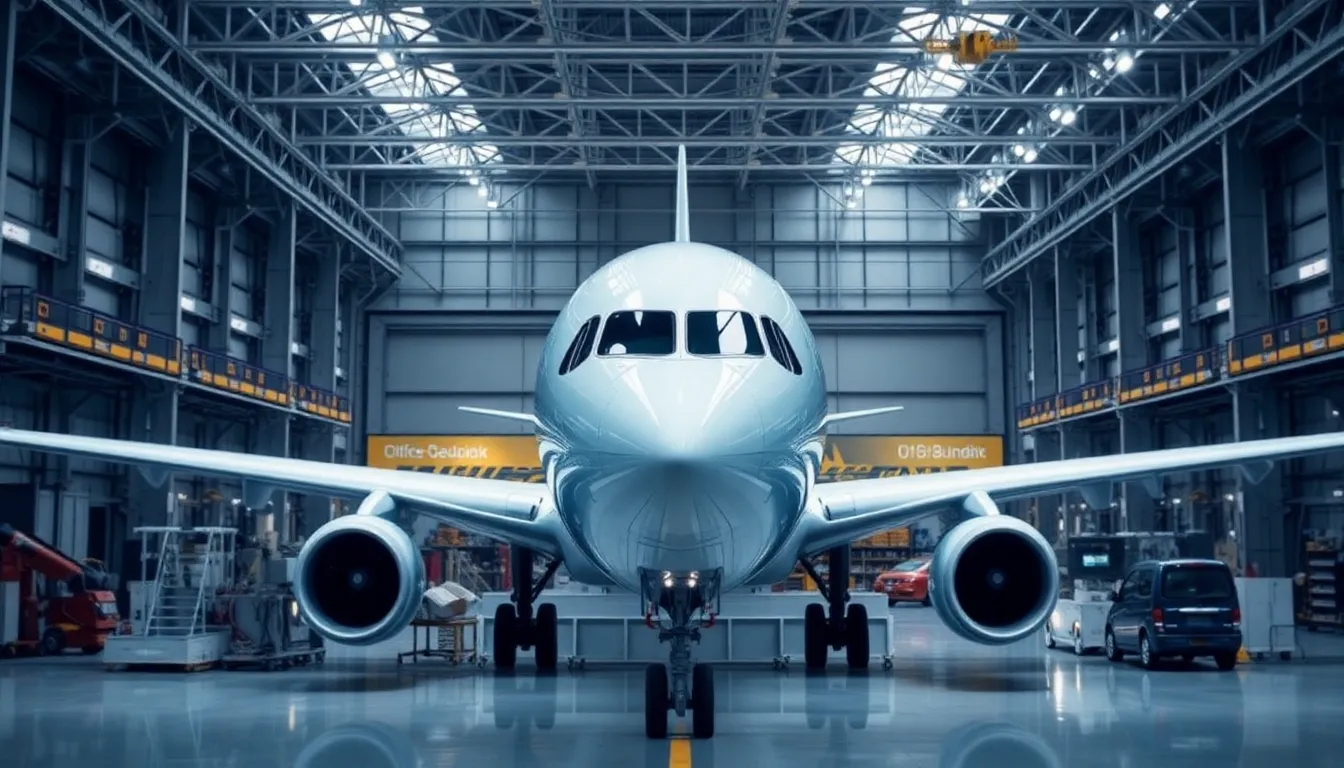
The Boeing factory in Everett, Washington, is indeed one of the largest buildings in the world by volume. Spanning over 4.3 million square feet, it houses the assembly lines for some of Boeing’s most notable aircraft, including the 747, 767, 777, and the 787 Dreamliner. The sheer size of the facility allows for the simultaneous assembly of multiple aircraft, driving efficiency in production.
How many days does it take to build a Boeing 737?
The time it takes to build a Boeing 737 is surprisingly short compared to the complexity of the aircraft. On average, it takes about 10 to 12 days to assemble a 737, from the start of the assembly line until the aircraft is ready for its first test flight. This rapid production timeline reflects Boeing’s sophisticated assembly techniques and supply chain management.
How are Boeing planes made for kids?
Understanding how airplanes are built can be fascinating for children. Here’s a simple breakdown tailored for younger audiences:
- Parts: Just like building a toy, airplanes are made of many parts that fit together.
- Assembly: Workers use tools to put all the pieces together, similar to playing with building blocks.
- Testing: Once assembled, the airplane is tested to make sure it can fly safely.
This simplified perspective can ignite curiosity in children and nurture an early interest in aviation and engineering.
The future of aircraft manufacturing
As we look ahead, the future of aircraft manufacturing is poised for significant transformation. Advances in technology, such as 3D printing, artificial intelligence, and sustainable materials, are set to revolutionize how airplanes are designed and built.
Moreover, the industry is increasingly focused on sustainability, aiming to reduce carbon footprints and enhance energy efficiency. Boeing, along with other manufacturers, is exploring alternative fuels and more efficient designs to address environmental concerns while meeting the growing demand for air travel.
In conclusion, the world of aircraft manufacturing is a testament to human ingenuity and collaboration. The intricate process of building a Boeing airplane showcases not only engineering prowess but also a global network of talent and resources working towards a common goal: to connect the world through flight.