

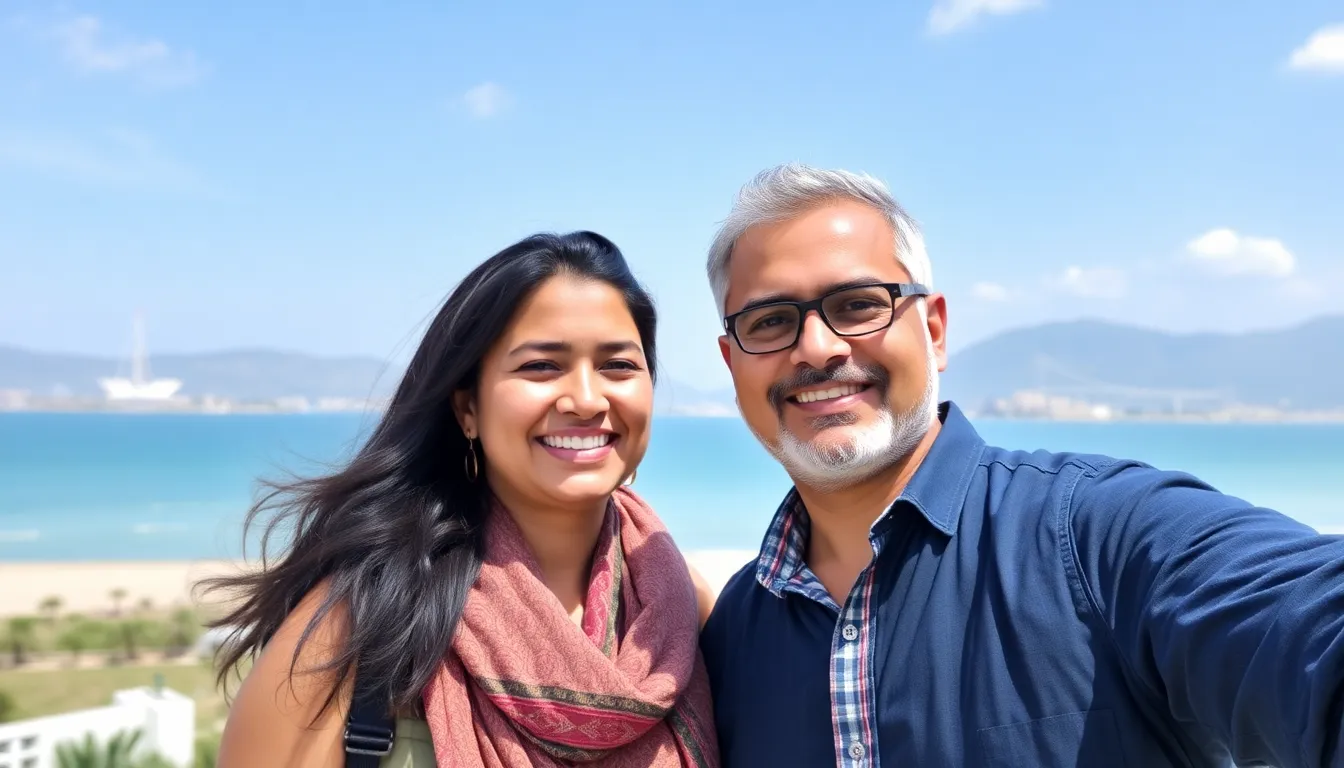
Traveling the world is a dream for many, but for Indian passport holders, it often comes with a unique set of challenges, particularly when it comes to obtaining visas. The story of Vikram and Ishwinder serves as an inspiring example of how determination and careful planning can make this dream a reality. In their journey, they not only managed to save for a round-the-world trip but also successfully navigated the complex visa processes that often thwart many travelers. Their insights can provide invaluable guidance for those looking to explore the globe.
Understanding the Visa Landscape for Indian Passport Holders
For Indian citizens, the world of travel is frequently complicated by stringent visa requirements. Each country has its own set of rules, and these can vary greatly in terms of documentation, fees, and approval times. This becomes particularly daunting for those who wish to travel spontaneously or frequently.
The challenge lies not only in obtaining the visa itself but also in the financial preparation and documentation required. Many countries require proof of adequate funds, return tickets, travel itineraries, and sometimes even letters from employers or educational institutions. The process often leads to frustration and confusion, making it essential for travelers to be well-versed in the requirements of their destination.
Challenges Faced by Indian Travelers
Vikram and Ishwinder faced several significant hurdles during their travels:
- Visa Rejections: Vikram experienced rejections from countries like Belgium, Spain, and the United States, which highlights a common issue among Indian travelers.
- Extensive Documentation: Preparation for visa applications meant gathering extensive documentation, from bank statements to income tax returns.
- Strict Immigration Policies: The couple noted that immigration officers are often stringent, leading to strict checks and additional requirements that can catch applicants off guard.
Despite these challenges, they maintained that visa requirements do not deter them from visiting new countries but rather make the process more tedious. The key is to approach the applications with thorough preparation and attention to detail.
Strategies for a Successful Visa Application
Vikram emphasizes that there are no shortcuts to a successful visa application; rather, it requires meticulous planning and adherence to guidelines. Here are some strategies that worked for them:
- Research Thoroughly: Before applying, they made sure to read the immigration website of the destination country to understand all necessary documents required.
- Document Preparation: They prepared a comprehensive list of required paperwork, including proof of sufficient funds, return flight tickets, and hotel bookings.
- Utilizing Flexible Booking Options: Using platforms that allow last-minute cancellations for accommodations helped mitigate financial risk.
Being diligent and organized can significantly increase the chances of obtaining a visa, transforming a potentially daunting task into a manageable one.
Countries with Easier Visa Processes for Indians
While the visa process can be challenging, some countries offer more accessible options for Indian travelers. Vikram and Ishwinder found that:
- Bhutan and Nepal: No visa is required to visit these neighboring countries, making them popular destinations for Indian travelers.
- Sri Lanka, Maldives, and Mauritius: These countries are known for their tourist-friendly visa policies, often offering visas on arrival.
- South and Central America: Many nations in these regions are increasingly friendly towards Indian tourists, simplifying the visa application process.
Having visas from countries like the UK, US, or Schengen Area can further ease access to other destinations, as these often grant automatic eligibility for visas on arrival in other countries.
The Impacts of Visa Policies on Travel Plans
Visa policies can significantly affect travel itineraries and spontaneity. Vikram and Ishwinder experienced this first-hand, especially when planning trips to Schengen countries, which require comprehensive documentation. They noted that:
- Advanced Planning Needed: They often had to plan trips well in advance to ensure all documents were in order.
- Spontaneity Challenges: The need for extensive paperwork often discouraged last-minute travel decisions.
- Emotional Toll: The anxiety of potential rejection adds stress to the travel planning process.
The immigration landscape is changing, and travelers must adapt to these dynamics. However, with the right strategies, it is possible to navigate these complexities effectively.
Reflections on Travel and Cultural Perspectives
Vikram and Ishwinder’s journey sheds light on the cultural perceptions of travel in India. They noted that long-term travel is often viewed skeptically, with societal expectations placing a premium on job security and traditional life milestones. Vikram shared that:
- Family Expectations: Many Indian families prioritize marriage and career stability over travel, viewing it as a luxury rather than a necessity.
- Risk Aversion: The Indian society tends to be risk-averse, which complicates the notion of taking a sabbatical to travel.
- Changing Mindsets: However, as more young Indians travel, perceptions are slowly shifting, with an increasing acceptance of travel as a valuable life experience.
The couple’s experience reflects a broader trend, as more Indians are embracing travel as a means of personal growth and exploration, challenging traditional norms.
Lessons Learned from Long-Term Travel
Through their extensive travels, Vikram and Ishwinder have gained valuable insights that they wish they had known from the start:
- Health Matters: Long-term travel can take a toll on health if not managed properly. They learned the importance of maintaining a balanced diet and seeking proper medical care.
- Financial Awareness: Understanding budgeting and saving before embarking on a long journey is crucial for financial stability.
- Self-Care is Key: Taking time to recharge and prioritize health can enhance the overall travel experience.
The couple now emphasizes the importance of a holistic approach to travel, balancing exploration with well-being.
Inspiring Others to Travel
The journey of Vikram and Ishwinder not only illustrates the hurdles faced by Indian travelers but also serves as a motivational narrative for others contemplating long-term travel. They hope their story empowers others to pursue their travel dreams, emphasizing that while challenges exist, resilience and determination can pave the way for incredible experiences.
In a world where travel can seem daunting, their testimonial is a reminder that with careful planning, anyone can embark on a journey of a lifetime. It’s about embracing the adventure, learning from the process, and understanding that every traveler’s path is unique.