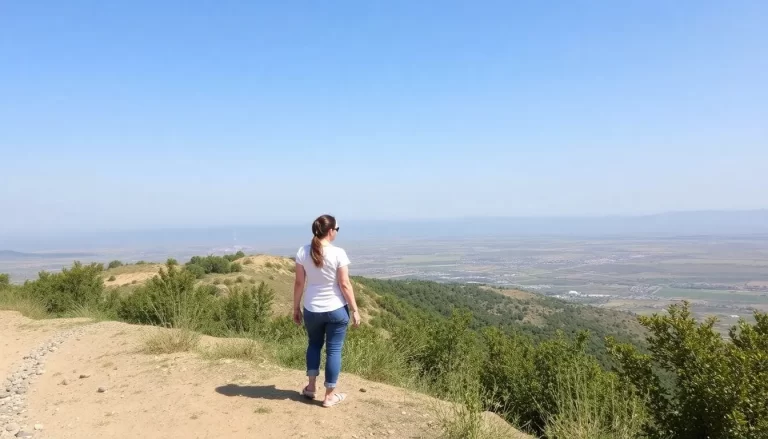


Planning a trip to Costa Rica? This vibrant country, renowned for its breathtaking landscapes and rich biodiversity, is often on the bucket list of many travelers. However, a common concern that arises is about safety. Understanding the local dynamics can make your trip enjoyable and worry-free. Let’s delve into the safety aspects of visiting Costa Rica for 2025 and beyond.
Is Costa Rica safe to visit in 2025?
As we look towards 2025, Costa Rica continues to be regarded as one of the safest destinations in Central America. Despite the global challenges, its commitment to tourism and safety remains strong. Known for its stable democracy and peaceful society, Costa Rica has managed to avoid the turmoil that has affected some of its neighbors.
In fact, according to the Global Peace Index, Costa Rica ranks 38th globally, making it the safest country in Latin America. While there are challenges, particularly related to petty crime, the overall environment is welcoming for tourists.
Current safety situation in Costa Rica
As of now, Costa Rica enjoys a reputation for safety, particularly for tourists. The crime rates are lower than in many other countries in the region. However, like any tourist destination, it is essential to remain vigilant.
- Petty theft is the most common issue tourists face, especially in crowded areas.
- Tourist hotspots are generally safe, but caution is advised in less populated or isolated areas.
- Awareness of local laws and customs can enhance your safety and experience.
Is Costa Rica safe for American tourists?
For American travelers, Costa Rica remains a popular choice due to its proximity, ease of travel, and friendly locals. The majority of tourists, especially from the U.S., report feeling safe during their stay.
Some tips for American tourists include:
- Staying in reputable accommodations.
- Using licensed transportation services.
- Being aware of the local culture and customs to avoid misunderstandings.
Most importantly, trust your instincts. If something feels off, it’s perfectly acceptable to leave the situation.
Areas to avoid in Costa Rica
While Costa Rica is generally safe, there are specific areas where caution is advised:
- San Jose: While the capital is a bustling hub, it is best explored during the day. Certain neighborhoods, such as La Carpio and Desamparados, should be avoided at night.
- Puerto Limón: Known for drug activities, this area requires extra caution.
- Puerto Viejo: Although a beautiful beach destination, theft has increased, especially at night.
Always ask locals or hotel staff for advice on areas to avoid and safe routes to take.
Essential safety tips for visitors
To ensure a safe trip, consider the following essential safety tips:
- Avoid isolated areas: Stay in populated areas, particularly at night.
- Don’t flaunt valuables: Keep jewelry and expensive items out of sight to avoid attracting unwanted attention.
- Keep your belongings secure: Always monitor your possessions, especially in crowded places like buses and markets.
- Use authorized taxis: Always opt for licensed taxis and ensure the meter is running.
- Travel insurance: Consider purchasing travel insurance that covers theft, injury, and cancellations.
Transportation safety in Costa Rica
Transportation in Costa Rica is generally safe, but there are precautions you should take:
- Public transport: While buses are a great way to see the country, keep your valuables close and be aware of your surroundings.
- Taxis: Use official taxis and avoid hailing them on the street at night.
- Rental cars: If renting a car, ensure it is from a reputable company and avoid driving at night.
Scams to be aware of in Costa Rica
While Costa Rica is relatively safe, scams do exist. Here are some common ones to be mindful of:
- Taxi scams: Ensure the meter is running and be wary of drivers who say it’s broken.
- Tour scams: Only book tours through reputable companies; avoid street vendors offering tours at discounted rates.
Staying informed can help you avoid falling victim to these scams.
Health and safety considerations
Health is another crucial aspect of safety when traveling. Here’s what to know:
- Zika virus: While there are no current outbreaks, travelers should exercise precaution against mosquito bites.
- Tap water: Generally safe in urban areas but avoid drinking tap water in remote locations.
- Street food: Enjoyable and generally safe, but use common sense regarding food quality and hygiene.
Is Costa Rica safe for solo travelers?
Costa Rica is particularly suitable for solo travelers. The friendly atmosphere and opportunities for adventure are abundant. However, it is wise to:
- Stay connected with friends or family back home.
- Use offline maps to navigate.
- Engage with other travelers to share experiences and tips.
Safety tips for solo female travelers
For solo female travelers, Costa Rica is welcoming, yet taking precautions is essential:
- Avoid walking alone at night.
- Be aware of your surroundings, especially in crowded areas.
- Keep your drink in sight at bars or restaurants.
By being aware of potential risks and planning accordingly, female travelers can enjoy their time in this beautiful country.
Best time to visit Costa Rica
The best time to visit Costa Rica is during the dry season, which typically runs from December to April. During this period, the weather is ideal for outdoor activities like hiking, surfing, and wildlife watching.
Travelers should also consider:
- The rainy season (May to November) can provide lush landscapes but may affect travel plans due to heavy rainfall.
- Peak tourist seasons can lead to higher prices, so planning ahead is beneficial.
Conclusion on safety in Costa Rica
In summary, Costa Rica is a beautiful, diverse, and relatively safe destination for travelers. By staying informed, taking necessary precautions, and being mindful of your surroundings, you can enjoy all that this tropical paradise has to offer. Remember, safety enhances your experience, allowing you to immerse yourself fully in the stunning vistas and rich culture of Costa Rica.