
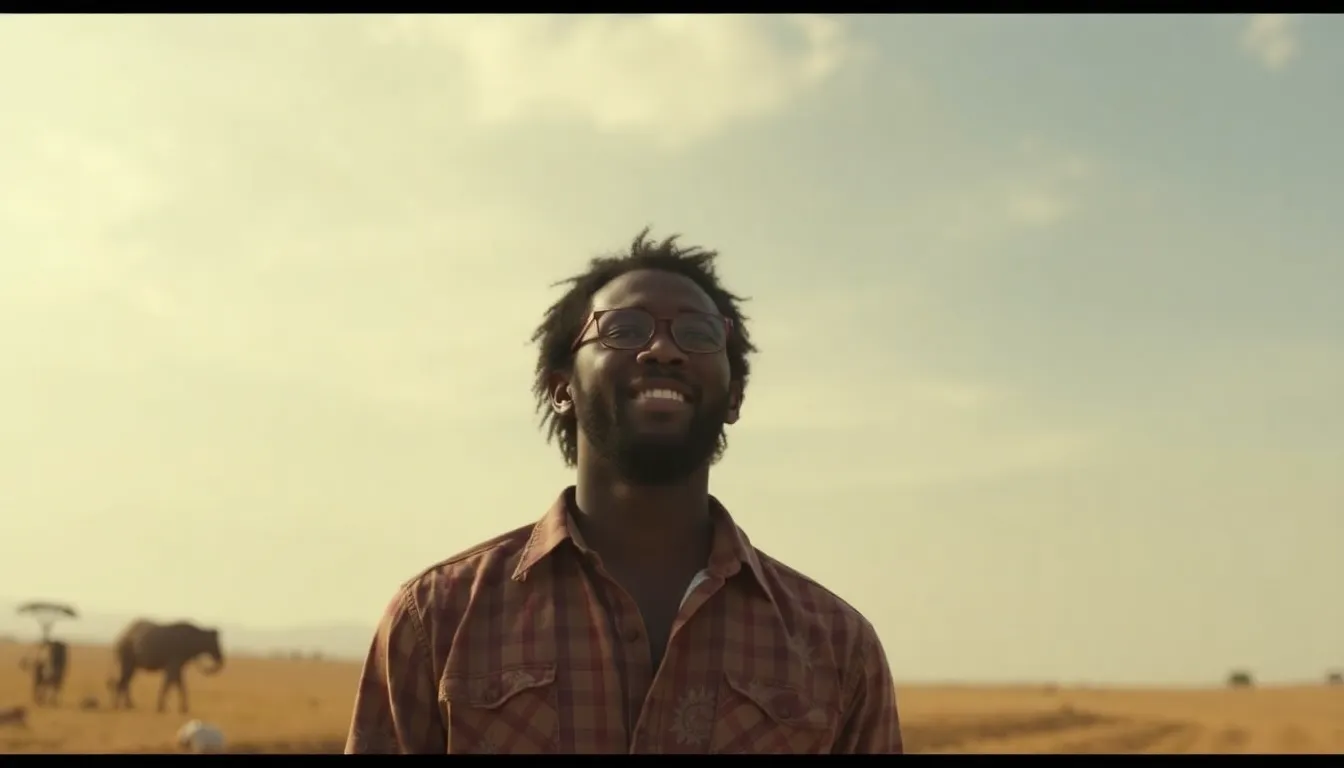
When it comes to exploring the vast and diverse continent of Africa, the narratives often fall short of the rich tapestry of experiences waiting to be uncovered. In his latest documentary, One Day in Africa, filmmaker Brook Silva Braga provides a refreshing perspective on the everyday lives of ordinary Africans, moving beyond the familiar portrayals of poverty and conflict that dominate mainstream media. This film not only invites viewers to witness the continent’s beauty but also to connect with its people on a deeper level.
The Inspiration Behind One Day in Africa
Brook Silva Braga’s journey to create One Day in Africa stemmed from a personal desire to explore a different narrative surrounding Africa. Having previously directed A Map for Saturday, which centered around the backpacking experience, Silva Braga sought to shift his focus toward the lives of local communities.
His travels across 12 African countries allowed him to engage with various cultures, traditions, and stories that often remain untold. He aimed to highlight the vibrancy of daily life, showcasing people not just as subjects of curiosity, but as integral parts of their own narratives.
What to Expect from the Documentary
Viewers can anticipate a film that offers a nuanced portrayal of Africa, one that transcends the sensational stories often depicted in the media. Silva Braga’s intention is clear: he wants the audience to gain a more profound understanding of the ordinary experiences of Africans, emphasizing that life goes on amidst the struggles that are often highlighted.
- Unique local stories: Encounter diverse individuals who share their daily lives.
- Cultural richness: Experience the traditions, music, and art that define various communities.
- Stunning cinematography: Marvel at the breathtaking landscapes and urban settings across the continent.
- A shift in perspective: Challenge preconceived notions about Africa and its people.
The Filming Process: A Journey Through Africa
Silva Braga’s filming process was guided by both logistical considerations and a desire for authenticity. He traveled extensively, immersing himself in each location and engaging with the local populace. This approach allowed him to encounter individuals who were not only articulate but also passionate about sharing their experiences.
Rather than relying solely on pre-arranged interviews, Silva Braga often found inspiration in spontaneous encounters that allowed for genuine storytelling. This organic method of selection led him to individuals like Bridgete, a woman he met in Malawi while following her journey as she prepared for childbirth.
Challenges Faced During Production
Filming in Africa, while rewarding, was not without its challenges. Silva Braga noted that logistical issues could be a significant obstacle, particularly in remote areas where equipment and resources are scarce. However, the openness of the people he encountered often eased the process.
Despite these hurdles, the filmmaker remained committed to capturing authentic narratives. He was determined to avoid the typical tropes associated with African storytelling, aiming instead to present stories from a place of respect and understanding.
The Importance of Authentic Representation
Silva Braga’s mission with One Day in Africa was to provide a counter-narrative to the predominant themes of poverty and conflict that plague much of the media coverage of Africa. He believes that sensationalism overshadows the everyday realities of millions who lead rich and fulfilling lives.
His documentary serves as a reminder that:
- Africa is home to a vast array of cultures and experiences.
- Ordinary people contribute to the continent’s vibrancy and resilience.
- Stories should emerge from the individuals themselves, free from external agendas.
Reflections on the Impact of the Film
By showcasing the lives of everyday Africans, Silva Braga hopes to alter perceptions and spark conversations about the continent. He envisions One Day in Africa as a tool for education and empathy, encouraging viewers to look beyond stereotypes and engage with the rich narratives that often go unheard.
This film holds the potential to foster connections between people from different backgrounds, highlighting our shared humanity and the diverse experiences that shape our world.
Practical Information for Travelers
For those inspired by the stories shared in One Day in Africa and eager to explore the continent, here are some logistical tips to consider:
Booking Your Trip
Flights: To find affordable flights, use platforms like Skyscanner. This search engine compares multiple airlines and travel websites, ensuring the best deals.
Accommodation: Consider booking hostels through Hostelworld, or use Booking.com for a wider range of options including guesthouses and hotels.
Travel Insurance: Protect yourself against unforeseen circumstances by securing travel insurance. Recommended providers include:
- SafetyWing (ideal for budget travelers)
- World Nomads (suitable for mid-range travelers)
- InsureMyTrip (for those over 70)
- Medjet (for additional evacuation coverage)
Exploring Activities: Make the most of your trip by utilizing platforms like Get Your Guide, which offers a variety of activities from walking tours to excursions that can enrich your travel experience.
Getting Ready for an Adventure
With One Day in Africa serving as a catalyst for exploration, now is the perfect time to plan your journey. Whether you’re seeking the thrill of new adventures or the opportunity to connect with diverse cultures, Africa awaits with open arms and countless stories eager to be shared.