

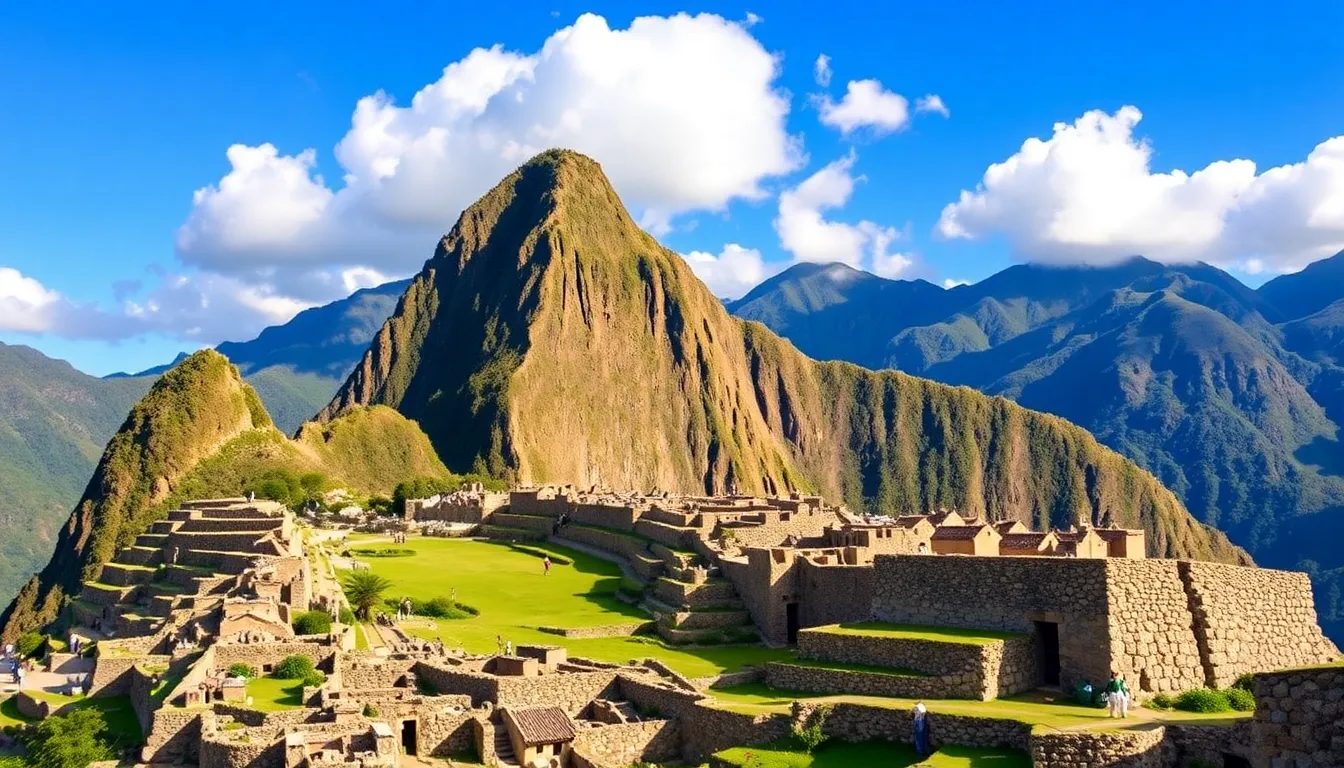
Peru is a vast and diverse country that offers travelers a myriad of experiences, from exploring ancient ruins to savoring exquisite cuisine. With so much to see and do, determining how to organize your trip can be overwhelming. This guide aims to provide you with a variety of itineraries and recommendations, catering to different time frames, interests, and travel styles.
Understanding the diversity of Peru
Peru is a country of stunning contrasts, featuring bustling cities, tranquil beaches, majestic mountains, and lush jungles. Key destinations include:
- Lima: The vibrant capital known for its gastronomy and historic sites.
- Cusco: A UNESCO World Heritage Site and gateway to the Sacred Valley and Machu Picchu.
- Arequipa: The «White City,» celebrated for its colonial architecture and proximity to natural wonders.
- Amazon Rainforest: A biodiverse paradise with unique wildlife and indigenous cultures.
- Lake Titicaca: The highest navigable lake in the world, rich in cultural heritage.
Given the country’s vastness, the best itinerary largely depends on your interests: Are you drawn to history, hiking, food, or wildlife? Here’s an exploration of different itineraries based on varying lengths of stay.
Itinerary for one week in Peru
Spending just one week in Peru means you’ll need to prioritize your experiences. The most efficient way to maximize your time is to focus on the Inca Trail and the capital.
Days 1-3: Lima
Arrive in Lima, where you can indulge in the city’s renowned culinary scene. Neighborhoods like Miraflores and Barranco are excellent for sightseeing and dining. A few must-visit attractions include:
- Free walking tour: An engaging way to learn about Lima’s history and culture.
- Museo Larco: Explore pre-Columbian art and artifacts in a beautiful setting.
- Huaquira Pucllana: Visit the ancient pyramid site in Miraflores.
Consider trying local culinary gems like La Mar for ceviche or Central for an elevated dining experience.
Days 4-7: Cusco
Fly to Cusco, where you’ll need a couple of days to acclimatize. This city is rich in history with numerous attractions, including:
- Saqsaywaman: A remarkable archaeological site offering breathtaking views.
- Qorikancha: The Inca temple, later converted into a church by the Spanish.
- San Pedro Market: Experience local life and sample traditional Peruvian dishes.
On day six, embark on the famed Inca Trail hike, culminating in the awe-inspiring Machu Picchu. Spend your final day in Cusco before heading home.
Exploring Peru in two weeks
A two-week trip allows for a more comprehensive exploration of Peru’s highlights. Expect to travel quickly, utilizing flights and buses to maximize your time.
Days 1-3: Lima
Start as before in Lima, but consider extending your exploration to include:
- Museo de Arte de Lima: Focused on Peruvian art across various periods.
- LUM Museum: A poignant look at Peru’s recent history through the lens of the internal conflict.
Days 4-6: Arequipa
Travel to Arequipa, known for its historical significance and stunning architecture. Explore:
- Santa Catalina Monastery: A colorful convent that feels like a city within a city.
- Colca Canyon: Take an overnight trip to witness the breathtaking scenery and condor sightings.
Days 7-12: Cusco & Sacred Valley
After Arequipa, travel to Cusco. Dedicate several days to visiting the Sacred Valley, with highlights such as:
- Ollantaytambo: An impressive Inca ruins site.
- Pisaq Market: A bustling market perfect for souvenir shopping.
Don’t forget to set aside time for at least one hike, whether to Machu Picchu or lesser-known trails.
Alternative two-week itinerary: The Amazon experience
If the Amazon intrigues you, consider replacing Arequipa with a visit to either Puerto Maldonado or Iquitos, both gateways to the Amazon. Here’s a quick overview:
- Puerto Maldonado: Access to eco-lodges and wildlife tours, perfect for nature enthusiasts.
- Iquitos: The largest city in the world that cannot be reached by road, offering unique river cruises.
This itinerary allows for a deep dive into Peru’s natural wonders while still experiencing the rich cultural heritage of Lima and Cusco.
Maximizing a month in Peru
If you have the luxury of spending a month in Peru, you can truly immerse yourself in its diverse landscapes and cultures. Here’s how to expand your travel plan:
Additional adventures: Include more hiking experiences, such as:
- Palcoyo Rainbow Mountain: A less-crowded alternative to the popular Vinicunca.
- Multi-day treks: Explore Colca Canyon or venture into the lesser-known trails around the Sacred Valley.
Discovering Lake Titicaca: Spend 2-3 days in Puno, visiting the floating islands and learning about local traditions.
Beach time in Mancora: Head north to Mancora for relaxation and fresh seafood on the coast.
Travel costs and budgeting for Peru
When planning your trip, understanding costs can help you budget effectively. Here’s a breakdown of potential expenses:
- Accommodation: Ranges from budget hostels ($10-20) to luxury hotels ($100+).
- Food: Street food can cost as little as $2-5, while a meal at a mid-range restaurant may be around $15-30.
- Transportation: Domestic flights are relatively affordable, and buses between cities are economical but take longer.
- Activities: Entry fees to attractions generally range from $2-10, while guided tours and treks can vary significantly.
Best time to visit Peru
The ideal time to visit Peru largely depends on your intended activities. Generally, the dry season from May to September is considered the best time for hiking and outdoor activities, especially in the Andes. However, the shoulder seasons (April and October) offer fewer crowds and still decent weather.
Building your itinerary around these recommendations can help ensure a fulfilling and enriching experience in Peru. Whether you’re hiking the Inca Trail, savoring gourmet cuisine, or exploring the Amazon, each day promises to bring new adventures and unforgettable memories.