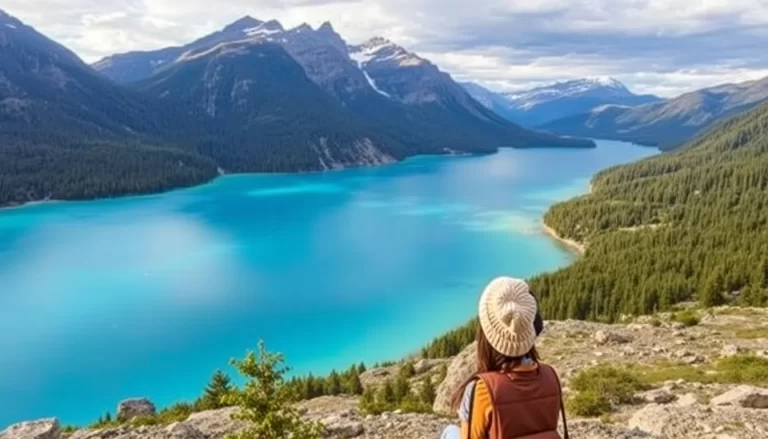


Traveling the world on a budget is an exhilarating challenge that can lead to unforgettable experiences. Whether you’re a seasoned traveler or just starting your adventures, learning how to manage your finances while exploring new cultures is crucial. In this article, we dive deep into the strategies one traveler, Heather, used to make her round-the-world trip a reality without breaking the bank.
How to budget for a round-the-world trip
Budgeting for a trip around the world can seem daunting, but with the right approach, it can be manageable and even enjoyable. Here’s a step-by-step guide to help you create a realistic budget:
- Research destinations: Understand the cost of living in the countries you plan to visit. Some regions are significantly cheaper than others.
- Determine your daily budget: A good starting point is to establish how much you can spend each day. Heather managed to stay on a $50 daily budget, which is a solid benchmark for many travelers.
- Plan your itinerary: Map out your route and the duration of your stay in each location. This helps in estimating costs associated with accommodation, food, and activities.
- Factor in transportation costs: Include the expenses related to flights, buses, or trains between destinations. Opting for budget airlines or local transport can save you a lot.
- Allow for flexibility: Sometimes, your budget may need adjustments. Be open to changing your plans based on your financial situation.
Is $5000 enough for a trip?
Many aspiring travelers wonder if $5000 is sufficient for a round-the-world trip. The answer largely depends on your travel style, destinations, and duration. In Heather’s case, her budget averaged out to around $56 a day over a year of travel, totaling approximately $20,440. Here’s how you can break down potential costs:
- Accommodation: Depending on where you stay, costs can vary. Hostels and budget hotels can range from $10 to $50 per night.
- Food: Eating local street food can significantly reduce meal costs, averaging $5-$15 per day.
- Transportation: Local transport fares can be very affordable, especially in Asia and South America, often costing less than a dollar for short distances.
- Activities: Entrance fees for attractions may range from free to $20, depending on the location.
Ultimately, traveling on $5000 is feasible but may require prioritizing experiences and finding creative ways to save.
Strategies for managing expenses while backpacking
Backpacking is about immersing yourself in different cultures while managing your budget effectively. Here are some strategies that have helped travelers like Heather keep their expenses low:
- Couchsurfing: Staying with locals can save you accommodation costs while providing unique cultural insights.
- Cooking your meals: Shopping at local markets and preparing your food can be a fun and healthy way to cut costs.
- Using public transportation: Instead of taxis, utilize buses or trains, which are often significantly cheaper.
- Joining free walking tours: These tours are a great way to learn about a city without spending much, often based on tips.
- Staying longer in fewer places: This can reduce transportation costs and allow for deeper engagement with the local culture.
When friends have different budgets for travel
Traveling with friends who have varying budgets can be challenging but is manageable with open communication. Here are some tips to ensure everyone enjoys the trip:
- Discuss budgets upfront: Before planning, have an honest conversation about how much each person is willing to spend.
- Plan flexible itineraries: Create a travel plan that allows for both budget-friendly activities and optional splurges.
- Separate accommodations: If necessary, consider staying in different places to cater to varying budget levels.
- Join activities selectively: Allow each traveler to pick and choose which excursions they want to join without pressure.
This approach fosters respect for individual financial situations while ensuring that the group can still enjoy shared experiences.
How much money do you need to travel like a backpacker around the world for one year?
Traveling as a backpacker can be incredibly fulfilling and affordable if you plan wisely. Heather’s experience shows that it’s possible to explore multiple continents on a budget. The following factors contribute to your overall expenses:
- Duration of travel: A longer trip allows for lower daily costs as you can take advantage of slow travel.
- Choice of destinations: Southeast Asia and parts of South America are generally more affordable than Western Europe.
- Travel style: Utilizing hostels, local eateries, and public transport will keep costs down.
- Activities: Prioritize free or low-cost experiences, such as hiking, exploring markets, or cultural festivals.
Traveling for a year might average between $15,000 to $20,000, depending on the factors mentioned above. Flexibility and creativity are essential to make the most of your budget.
Lessons learned from the journey
Heather’s trip taught her valuable lessons about budgeting, flexibility, and the importance of community among travelers. Here are some reflections on her experiences:
- Tracking expenses: Keeping a daily log of spending helped her stay on budget and adjust her plans when necessary.
- Accepting help: The travel community is often willing to offer assistance, whether it’s a place to stay or tips on local attractions.
- Prioritizing experiences over luxury: The best memories often come from simple interactions and adventures rather than high-end accommodations.
As her journey continues, she emphasizes the importance of adapting to unexpected situations and making the most out of every experience.
Final thoughts on budget travel
Traveling on a budget requires discipline, creativity, and a willingness to step out of your comfort zone. As Heather continues her global adventure, she proves that with careful planning and a positive attitude, anyone can explore the world without overspending. Remember, it’s not just about the destination but also the rich experiences gained along the way. Each journey is an opportunity to learn, grow, and connect with others.