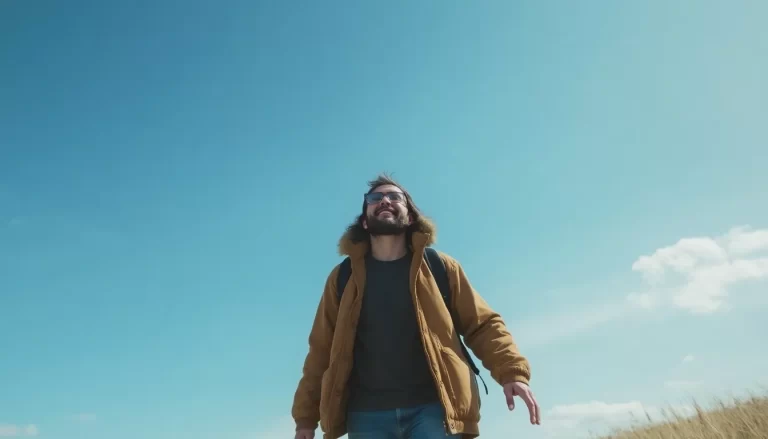


Traveling the world while immersing yourself in local cultures and lifestyles is a dream for many. One unique way to achieve this is through WWOOFing, which offers a budget-friendly opportunity to work on organic farms worldwide. Beyond just saving money, it allows travelers to gain invaluable experiences and forge connections that can last a lifetime.
WWOOF, or “Worldwide Opportunities on Organic Farms,” is not just a travel program; it’s a movement that connects volunteers with organic farmers who need help. It provides a platform for cultural exchange and learning, making it a popular choice for those seeking to travel long-term without breaking the bank.
Understanding the Concept of WWOOFing
WWOOFing involves working in exchange for food and accommodation on organic farms. This arrangement allows travelers to extend their journeys significantly while minimizing costs. Each volunteer typically works about 4-6 hours a day, depending on the host’s needs, and enjoys the unique opportunity to live in different communities worldwide.
WWOOF operates as a network of independent organizations, each representing different countries. This means that to WWOOF in a specific nation, you must join that country’s WWOOF organization. Currently, there are almost 100 national WWOOF groups, each offering distinct experiences and opportunities.
- Cost-Effective Travel: Travelers can save thousands of dollars on accommodation and meals.
- Learning Opportunities: WWOOFers can gain hands-on experience in agriculture and sustainable living practices.
- Cultural Exchange: Engaging with local communities enhances language skills and cultural understanding.
- Networking: Meeting fellow travelers and locals can lead to lifelong friendships.
- Personal Growth: Adapting to diverse environments fosters resilience and adaptability.
How to Get Started with WWOOF
Joining WWOOF is relatively straightforward and involves a few key steps:
- Visit the official WWOOF website.
- Select your desired destination country from the list of participating nations.
- Complete the membership application and pay the associated fee, which typically ranges from $15 to $50 USD annually, depending on the country.
- Once registered, explore available farms and begin reaching out to potential hosts.
While most WWOOF programs require participants to be at least 18 years old, several countries such as Germany and Italy accept volunteers younger than 18 with parental consent. This flexibility opens the door for younger travelers to join in on the experience.
Choosing the Right Farm for Your WWOOF Experience
When selecting a farm, it’s essential to consider what type of experience you seek. «Farm» is a broad term that encompasses a variety of settings:
- Commercial farms: Larger operations often need more labor for harvests and maintenance.
- Eco-communities: Places that focus on sustainability and often offer diverse activities.
- Vineyards: Ideal for those interested in winemaking and grape harvesting.
- Backyard gardens: Smaller, often family-run setups that provide a more intimate experience.
Each farm listing typically includes information about the host, the type of work required, and accommodations provided. It’s crucial to read these descriptions carefully and communicate openly with potential hosts to ensure a good fit.
What to Expect During Your WWOOF Stay
A typical day as a WWOOFer can vary significantly depending on the farm and its needs. Here are some common tasks you might encounter:
- Planting and harvesting: Engaging directly with crops allows you to learn about different agricultural practices.
- Animal care: Feeding and tending to livestock may be part of your routine.
- Household chores: Some farms include tasks like cooking or cleaning as part of the experience.
- Learning workshops: Many hosts offer educational sessions on organic farming techniques.
Regardless of the work, the experience is often enriched by communal meals and social gatherings with other volunteers and hosts. This interaction not only enhances your understanding of the local culture but also makes the hard work more enjoyable.
Overcoming Challenges in WWOOFing
While many WWOOFing experiences are positive, challenges can arise. Here are some tips for overcoming common problems:
- Communicate openly with your host about any concerns or discomfort.
- Document any significant issues to provide clarity if needed.
- Be patient and give your host time to address your concerns.
- If unresolved, respectfully inform them of your decision to leave, ideally with a week’s notice.
Understanding that each experience is unique and that adaptability is key will help you navigate any difficulties that may arise during your stay.
The Global Reach of WWOOF
WWOOF is present in over 130 countries, making it a truly global initiative. Here are some notable regions where WWOOFing thrives:
- WWOOF Europe: From wine regions in France to olive groves in Italy, European farms offer diverse experiences.
- WWOOF USA: Explore a variety of landscapes and farming techniques across the United States.
- WWOOF Australia: Engage with unique ecosystems and farming practices in the Australian outback.
- WWOOF International: A collective of independent WWOOF organizations that provide resources and connections.
Each country has its own flavor of WWOOFing, reflecting local agricultural practices and cultural nuances, making it essential to research your destination before committing.
Exploring the Benefits of WWOOFing
Beyond the immediate benefits of saving money and gaining practical experience, WWOOFing can lead to personal growth. Many volunteers report:
- Enhanced life skills: Learning to adapt, solve problems, and work collaboratively.
- Broadened perspectives: Immersing in different cultures fosters a deeper appreciation for diversity.
- Healthier lifestyles: Engaging in physical work and consuming fresh, organic produce promotes well-being.
Ultimately, WWOOFing is more than just a way to travel; it’s a lifestyle choice that encourages sustainable practices and community engagement.
Real-Life WWOOFing Stories and Experiences
Many travelers share their transformative WWOOFing experiences, highlighting how the program has shaped their lives. For instance, some have learned to make cheese or participate in permaculture projects, while others have forged friendships that span continents.
These stories often emphasize the unexpected adventures that arise in rural settings, from impromptu dinners with local families to participating in regional festivals. Such interactions create lasting memories and a sense of belonging, often leading volunteers to return to the same farms or recommend them to friends.
Whether you’re looking to travel on a budget, learn new skills, or simply seek adventure, WWOOFing presents a unique opportunity to experience the world through a different lens. It combines work with travel, allowing you to contribute to sustainable practices while enjoying the richness of cultural exchange.
As you consider your next adventure, think about the possibilities that WWOOFing offers. It could be the key to unlocking a world of experiences that are not only economical but also deeply rewarding.