
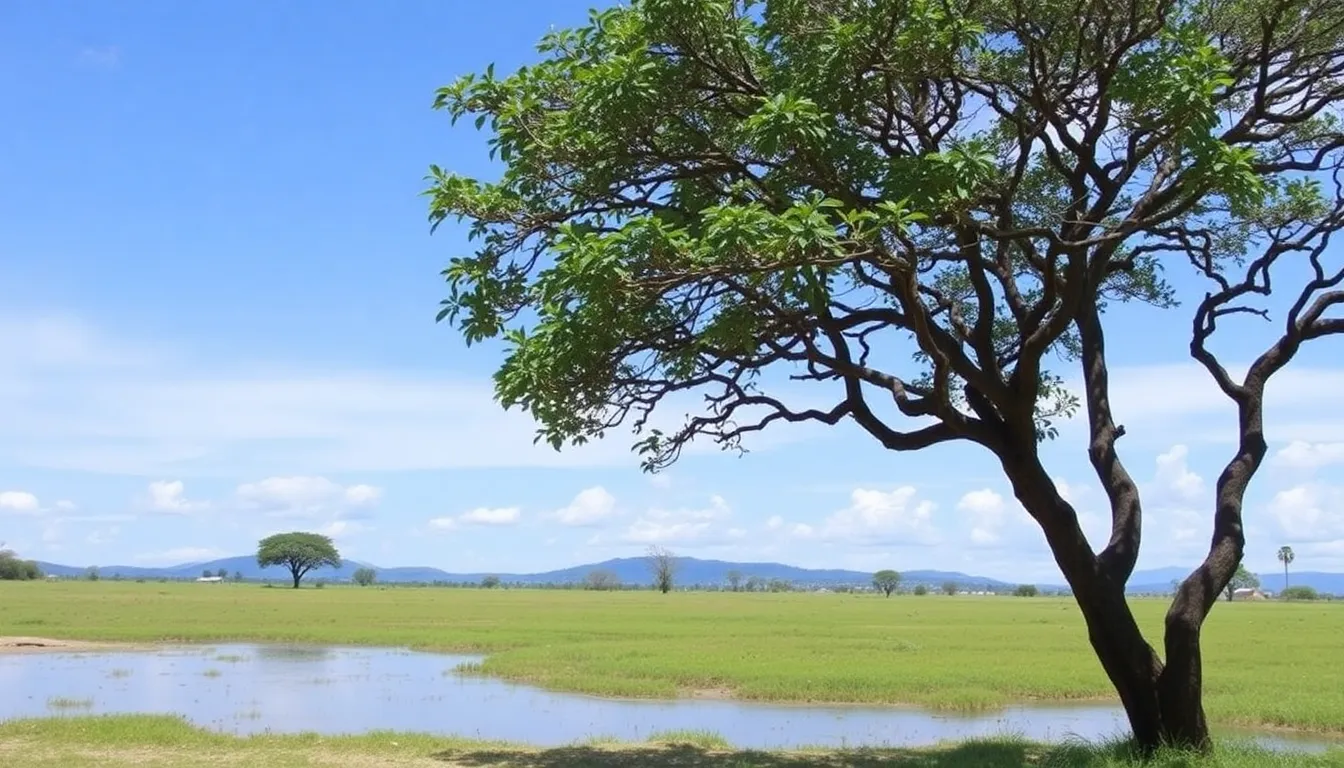
Madagascar, an island nation rich in biodiversity and unique cultures, is often overlooked by travelers seeking more traditional tourist destinations. However, for those willing to venture off the beaten path, this enchanting locale offers an experience unlike any other. With its stunning landscapes, fascinating wildlife, and vibrant local communities, Madagascar is a treasure waiting to be discovered by adventurous souls.
This guide will explore essential aspects of traveling in Madagascar, from how to get there to the best ways to navigate the island, ensuring your journey is as memorable as it is enlightening.
Getting to Madagascar: A Journey Worth the Effort
Reaching Madagascar can be a challenge, as direct flights are limited. Most travelers will find themselves connecting through major cities like Paris, Istanbul, or Johannesburg, with occasional flights from less frequented nations such as Seychelles and Mauritius.
When booking your flight, it’s crucial to plan ahead. Expect to pay a range of prices depending on your origin:
- U.S. (East Coast): $1,450 – $1,750 USD
- Canada (East Coast): $1,100 – $1,400 USD
- Western Europe: $900 – $1,350 USD
- Johannesburg: $500 – $700 USD
While these prices can be steep, utilizing travel rewards programs can significantly reduce costs. Several airlines, including Air France and United, offer reasonable availability for reward flights. Additionally, websites like Skyscanner and Holiday Pirates can help you find deals.
How to Travel Around Madagascar: Options and Recommendations
Once you arrive in Madagascar, navigating the country can be daunting due to limited infrastructure and poorly maintained roads. Most visitors opt for organized tours, as this method provides a structured way to see the country’s highlights without the hassle of planning each detail. Approximately 80% of travelers explore Madagascar this way.
Organized tours generally range from $2,200 to $3,600 USD for a 14-day experience, including accommodations in mid-range hotels and transportation via private bus. Guides at national parks enhance the experience by offering insights and helping spot wildlife.
For those looking to travel independently, here are some key considerations:
- Language: Knowing French is essential, as English is rarely spoken outside major tourist areas.
- Transport: Renting a car with a driver is a popular choice at around $75 USD per day, as public transportation options are limited and often unreliable.
- Time: Travel times can be lengthy due to road conditions; plan for delays and allow ample time for travel.
Though independent travel is possible, it requires patience and adaptability. You may find yourself in crowded local buses, known as taxi-brousse, which can be uncomfortable and slow. If you’re adventurous and well-prepared, the freedom of solo travel can lead to unparalleled experiences.
Safety Considerations for Travelers
Safety is a common concern for travelers in Madagascar. While many visitors report feeling safe during their stay, caution is advised, particularly after dark. Petty crime can occur, and locals generally recommend avoiding evening outings. Many accommodations in the capital, Antananarivo, provide escorts for guests traveling to nearby bars or restaurants.
During the day, exploring smaller villages and towns is often safe, with locals being friendly and welcoming. However, it’s wise to remain vigilant and follow local advice.
Understanding the Costs: What to Expect
While reaching Madagascar can be costly, once you’re there, the cost of living is quite affordable. Budget-conscious travelers can enjoy a variety of local foods and experiences without breaking the bank. For example, a meal at a local restaurant typically costs between 6,500 and 7,500 MGA, while street snacks can be as low as 10 MGA.
Here’s a breakdown of typical prices you might encounter:
- Meals at tourist restaurants: 20,000 – 30,000 MGA
- Regular local meals: 6,500 – 7,500 MGA
- Street snacks: 10 – 200 MGA
- Accommodation: 65,000 – 200,000 MGA per night
- Park entrance fees: 65,000 – 90,000 MGA
- SIM card: starting at 3,000 MGA
Travelers will find that their money stretches significantly in Madagascar, allowing them to participate in local experiences and enjoy delicious meals while on a budget.
Best Time to Visit Madagascar: Seasonal Insights
Madagascar’s climate varies by region, but generally, the best time to visit is during the dry season from April to November. This period offers pleasant weather, making it easier to explore the island’s remarkable landscapes and wildlife. The wet season, which spans from December to March, brings heavy rains and can disrupt travel plans, particularly in more remote areas.
Unique Experiences and Attractions in Madagascar
Madagascar is home to incredible natural beauty and a plethora of unique wildlife. Here are some must-see attractions:
- Avenue of the Baobabs: A stunning row of ancient baobab trees that are iconic to Madagascar.
- Andasibe-Mantadia National Park: Known for its rich biodiversity, including the famous indri lemurs.
- Isalo National Park: Famous for its dramatic sandstone formations and varied landscapes.
- Nosy Be: A beautiful island destination with stunning beaches and opportunities for diving.
- Antananarivo: The vibrant capital offers a mix of culture, history, and modernity.
These attractions showcase Madagascar’s unique environment and the distinct culture of its inhabitants, making each visit an opportunity for adventure and discovery.
Travel Tips for an Unforgettable Experience
To ensure a smooth journey, consider these practical travel tips:
- Learn some basic French phrases to ease communication.
- Pack for variable weather conditions, especially in the rainforest areas.
- Stay hydrated and carry snacks for long travel days.
- Respect local customs and traditions, particularly in rural areas.
- Be prepared for limited access to internet and phone services in remote locations.
By following these tips, you’ll enhance your experience and navigate the challenges of travel in Madagascar with greater ease.
Madagascar is not just a destination; it’s a journey into a world where nature reigns, culture thrives, and adventure awaits around every corner. With proper planning and an open mind, your visit can be a transformative experience that leaves a lasting impression.