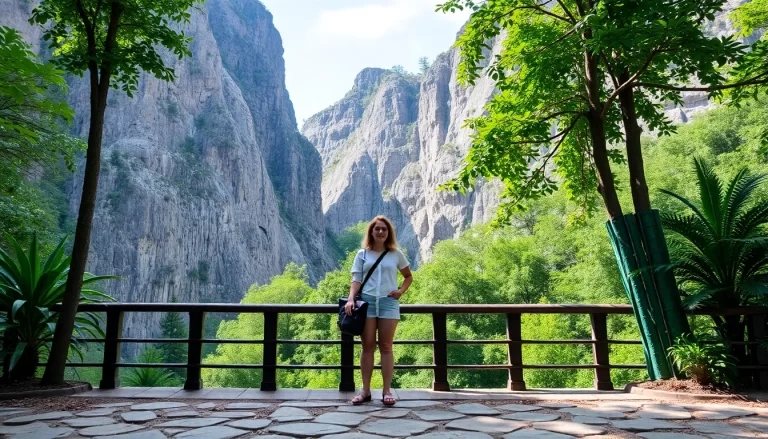


Traveling through Southeast Asia can be one of the most exhilarating experiences for backpackers, filled with vibrant cultures, stunning landscapes, and unforgettable memories. However, amidst the adventure, it’s crucial to engage in safe and responsible behaviors that protect not only your well-being but also that of those around you. Let’s dive into what it really means to travel wisely in this enchanting region.
Understanding Backpacker Culture in Southeast Asia
Backpacking has become a rite of passage for many young travelers seeking adventure and cultural immersion. Southeast Asia, with its affordable prices and rich experiences, attracts millions of backpackers every year. Yet, this influx has sometimes resulted in reckless behaviors that endanger the safety and well-being of individuals and the local communities.
While the thrill of exploration is appealing, a degree of caution and common sense is paramount. The spirit of backpacking should embrace not just adventure, but also responsibility.
Common Risks Faced by Backpackers
Backpackers often find themselves in precarious situations that they might not encounter at home. Here are a few key risks:
- Alcohol Consumption: Many parties and gatherings are centered around alcohol, leading to poor decision-making.
- Extreme Activities: Engaging in risky activities without proper knowledge or safety measures can result in serious accidents.
- Traffic Accidents: The chaotic traffic conditions in many Southeast Asian countries can be dangerous for untrained drivers.
It’s essential to approach these activities with a sense of caution and awareness, remembering that your safety should always come first.
Notorious Activities: What to Avoid
Certain activities in popular spots have gained a notorious reputation for being exceptionally dangerous. For instance, tubing in Vang Vieng, Laos, has become infamous for its associated accidents and fatalities.
Every year, numerous travelers suffer injuries due to:
- Jumping into shallow waters while intoxicated.
- Using hazardous slides or equipment without understanding the risks involved.
- Ignoring local warnings about safety practices.
When reflecting on these past incidents, it’s vital for backpackers to think critically before engaging in such activities. A thrilling experience should never come at the cost of one’s safety.
Assessing Safety: Is Southeast Asia Safe for Backpackers?
Despite the challenges, many backpackers wonder about the overall safety of traveling in Southeast Asia. The region is generally welcoming and friendly, with a rich tapestry of cultures, but certain precautions can enhance your travel experience:
- Stay Informed: Research the areas you plan to visit, including any recent safety news or travel advisories.
- Use Common Sense: Avoid risky activities that can lead to accidents or injuries.
- Travel Insurance: Secure a good travel insurance policy that covers medical emergencies and accidents.
By taking these steps, you can significantly mitigate risks and enjoy a safer travel experience.
Motorbike Safety Tips
Motorbikes are a popular mode of transportation in Southeast Asia, but they require a level of skill and responsibility. Many travelers rent bikes without proper licenses or experience, leading to a high number of accidents. To ensure a safer riding experience, consider the following tips:
- Wear a Helmet: Always wear a helmet, regardless of the local laws.
- Check the Bike: Inspect the bike before renting it to ensure it is in good condition.
- Practice Riding: If you lack experience, practice in a safe area before venturing into busy streets.
Understanding the local traffic rules and conditions can be the difference between a memorable journey and a disastrous accident.
Respecting Local Customs and Cultures
Part of being a responsible traveler is respecting the cultures and traditions of the places you visit. In Southeast Asia, this includes:
- Dressing Appropriately: In many religious sites, modest clothing is required.
- Understanding Local Etiquette: Be aware of cultural norms, such as how to greet locals or behave in public spaces.
- Being Mindful of Environmental Impact: Avoid littering and respect local wildlife and ecosystems.
By embracing these practices, backpackers can foster positive interactions and leave a good impression on their hosts.
Planning Your Journey Wisely
For those eager to explore Southeast Asia, careful planning is key to a successful trip. Here are some tips to enhance your travel experience:
- Choose Your Destinations Wisely: Research less touristy locations to avoid crowds and discover hidden gems.
- Budget Accordingly: Understand the costs of accommodation, food, and activities to avoid financial surprises.
- Stay Connected: Keep your phone charged and have a local SIM card for navigation and emergencies.
With the right preparations, your journey through Southeast Asia can be both thrilling and safe.
Is $1000 Enough for a Month in Southeast Asia?
A common question among backpackers is whether a budget of $1000 will suffice for a month in Southeast Asia. The answer largely depends on your travel style and destinations. Here’s a breakdown of potential expenses:
- Accommodation: Hostels range from $5 to $20 per night.
- Food: Street food can cost as little as $1 per meal, while restaurant dining may range from $5 to $15.
- Activities: Entry fees for attractions or tours can vary widely, from free to $50 or more.
With mindful spending, it is indeed possible to travel comfortably on $1000, especially if you take advantage of local resources and prioritize budget options.
Final Thoughts on Backpacking in Southeast Asia
Traveling as a backpacker in Southeast Asia can be a life-changing experience, full of learning and adventure. However, it is critical to strike a balance between fun and safety. By making informed choices, respecting local customs, and prioritizing personal safety, you can enjoy all that this beautiful region has to offer without falling into the pitfalls that can come with reckless behavior.
Embrace the journey, but do so with a clear mind and a responsible approach. Your future self will thank you for making wise choices today.