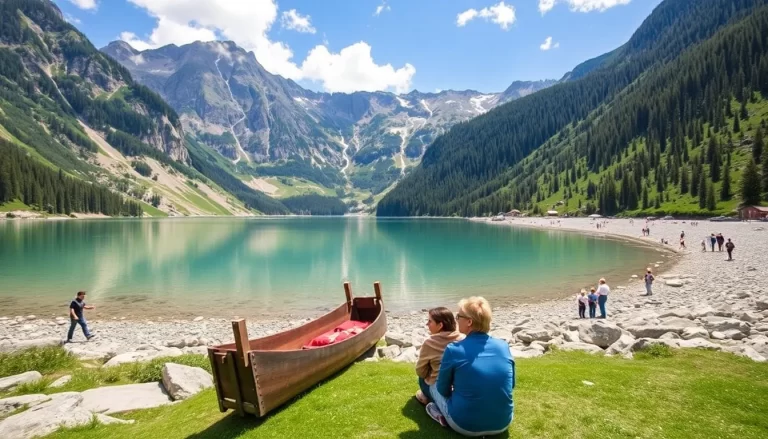


Traveling is often romanticized as a gateway to cultures and experiences. But at what point can one claim to truly know a place? This question opens a dialogue that challenges our perceptions of tourism and travel, encouraging us to explore the layers of understanding beyond mere photographs and landmarks.
Understanding the Difference Between Travelers and Tourists
In the travel community, a common debate revolves around the distinction between travelers and tourists. Tourists are frequently characterized as individuals who visit a destination briefly, capturing snapshots and adhering to a predefined itinerary. Their experiences often revolve around popular attractions, guided tours, and well-trodden paths.
Conversely, travelers tend to engage more deeply with their surroundings. They may still visit famous sites, but their approach is marked by a willingness to stray from conventional routes, spend more time in a location, and immerse themselves in local culture. This deeper engagement often leads to a more nuanced appreciation of the destination.
- Tourists: Quick visits, often limited to major attractions.
- Travelers: Slower pace, focusing on local culture and experiences.
- Engagement: Travelers seek connections, while tourists often remain detached.
The Complexity of Truly Knowing a Place
When we leave a destination, can we genuinely say we know it? This question raises philosophical considerations about knowledge and experience. One might argue that even after extensive exploration—visiting markets, interacting with locals, or even participating in cultural events—we only scratch the surface of understanding.
For instance, during a recent stay in Stockholm, I marveled at the beauty of the city, from its charming architecture to its picturesque waterways. However, despite my efforts to engage with the culture through casual outings and local practices, I realized that my comprehension remained superficial. I had yet to experience the city in a way that would allow me to claim a more profound connection.
Experiencing a City Beyond Sightseeing
Many travelers fall into the trap of equating sightseeing with knowing a city. While visiting museums, landmarks, or popular eateries is part of the experience, it is often the interactions with locals that provide insight into the authentic rhythm of life in a place.
- Engage with locals: Chat with residents at markets or cafes.
- Explore off-the-beaten-path locations: Discover hidden gems that tourists overlook.
- Participate in community events: Join local festivals or gatherings.
Such experiences can offer a glimpse into daily life that a guidebook simply cannot convey. The essence of a city often lies within its people—the stories they share and the everyday rituals they perform.
Traveling with Intent: The Role of Long-Term Travel
Long-term travelers often seek to immerse themselves in the culture and lifestyle of their destinations. By extending their stay, they allow themselves to cultivate relationships, learn the local language, and participate in community life. This level of engagement can lead to a richer understanding of the place.
Consider the difference between a weekend trip to a bustling city and a month-long stay in a small town. The latter allows for a more profound connection with the environment and its inhabitants. In this way, long-term travel can transform our perception from fleeting visits to meaningful experiences.
Common Misconceptions About Places
During travels, it’s easy to form sweeping generalizations based on limited experiences. For example, after my first visit to Bangkok, I deemed it a less-than-ideal city. I focused on the pollution and the chaotic transport system without acknowledging its rich history, diverse neighborhoods, or vibrant street life.
Such judgments often stem from a lack of depth in experience. Travelers might say, “The French are rude” or “That city is boring,” overlooking the nuances that could alter their perspectives. When we fail to engage meaningfully, we risk missing the opportunity to discover the unique character of a place.
Living Like a Local: The Key to Understanding
The heart of any location lies in its local culture. To appreciate a place fully, travelers must strive to live like the locals do. This means investing time in understanding daily routines, local customs, and community dynamics.
For example, while visiting Stockholm, I found that spending time with local friends provided insights that I couldn’t have gained from mere sightseeing. I explored neighborhoods that were off the tourist radar, attended local events, and experienced the city’s nightlife through the eyes of its residents.
To truly know a place, it’s essential to:
- Spend time in neighborhood cafes and shops.
- Participate in local customs and traditions.
- Forge friendships with residents, gaining insights into their lives.
Embracing the Journey of Discovery
Ultimately, the quest to know a place is less about reaching a destination and more about the journey itself. It is a process of continual learning and adaptation. Each visit can yield new discoveries and perspectives, prompting travelers to reconsider their previous experiences.
As I reflect on my travels, I recognize that I may never fully know a place, no matter how much time I spend there. However, by approaching my journeys with curiosity and openness, I can deepen my understanding and appreciation for the myriad cultures and environments I encounter.
In this way, the journey becomes a tapestry woven from countless interactions and experiences, each thread representing a different facet of the places we explore. Whether we identify as tourists or travelers, the goal remains the same: to connect with the world around us and embrace the beauty of its diversity.