

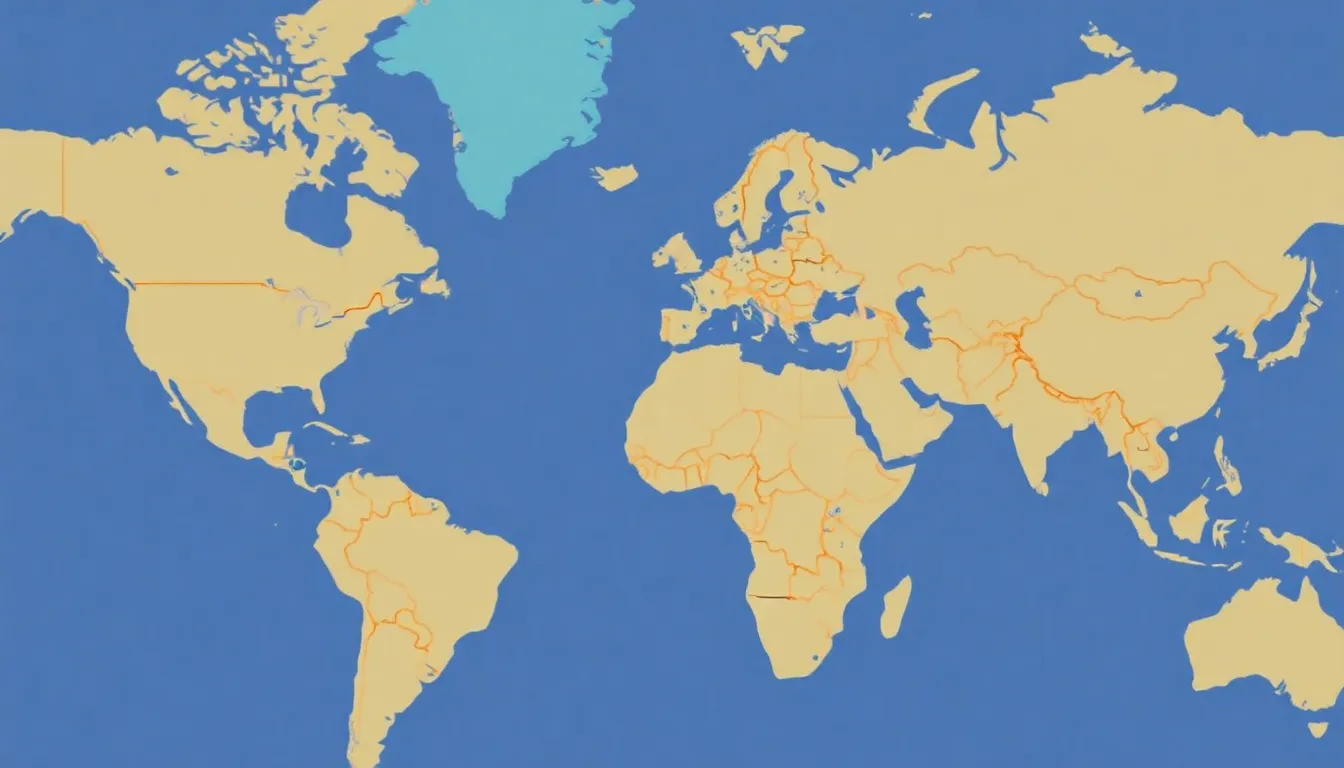
Expats are individuals who leave their home countries to establish a new life abroad. This lifestyle choice, while exciting, often comes with its own set of complexities and challenges that can impact both the expats and the local communities they join. In this exploration, we will delve into the multifaceted experiences of expats, the influence they exert on their new environments, and the cultural implications of their presence.
The concept of expatriation is not new; however, with globalization, the number of people living outside their home countries has surged. Many choose this path for various reasons, including career opportunities, adventure, or even retirement in more affordable locations. My own journey as an expat has taken me through fascinating places like Amsterdam, Taiwan, and Thailand, where I experienced vibrant expat communities that fostered a sense of camaraderie and belonging. Yet, as I reflect on these experiences, I realize that the influx of expats can sometimes lead to a paradoxical situation where the charm of local culture begins to fade.
Do most expats return home?
Many expats grapple with the decision of whether to return to their home countries after years abroad. Factors influencing this choice include job security, family ties, and the evolving nature of the expat experience. While some may find a sense of permanence in their new locales, others feel a pull to return home, leading to a cycle of relocation and reintegration.
Statistics indicate that a significant number of expats choose to return home after a set period. Surveys suggest that around 50% of expats return within five years. Common reasons for this include:
- Family commitments and the desire to be closer to loved ones.
- Changes in job circumstances or career opportunities.
- Cultural challenges or feelings of isolation in the expat community.
Ultimately, the decision is deeply personal and varies from individual to individual, shaped by unique experiences and circumstances.
Expats caught between two countries
The experience of being an expat often leads to a profound sense of cultural duality. Many find themselves torn between their home country and the new one they have come to love. This duality can create feelings of belonging to both places yet fully belonging to neither.
For instance, expats often find themselves caught in the middle of cultural expectations from their home country and the lifestyle of their host country. This can manifest in various ways, such as language barriers, differing social norms, and contrasting work ethics. The internal struggle can lead to what some refer to as «expat burnout,» where the excitement of the new experience wears off, leading to feelings of frustration or disillusionment.
Expat burnout and its implications
Expat burnout is a real phenomenon that many experience, characterized by emotional exhaustion and a sense of disconnection from both the host and home countries. This condition can arise from various factors, including:
- Isolation from local culture and communities.
- Challenges in maintaining relationships back home.
- Expectations from oneself or others that may feel unrealistic.
In online communities like Reddit, expats openly discuss their struggles with burnout, sharing strategies to cope and find balance. Engaging in local activities, building friendships with locals, and actively seeking immigrant support groups are just a few recommendations that emerge from these discussions.
Expats and the transformation of local communities
As expats settle into new environments, they inevitably leave their mark. This is particularly evident in regions like Panama and Costa Rica, where affordable living has attracted a wave of American retirees. In these areas, the presence of expats has led to significant changes, both positive and negative.
On one hand, expats often bring investments that can spur local development. For instance, they may open businesses, create jobs, and drive demand for improved infrastructure. On the other hand, this influx can lead to rising costs of living, which may disproportionately affect local residents. In towns like Boquete and Tamarindo, locals have observed escalating prices and a shift in the cultural landscape.
Should I move back to my home country?
The question of whether to return home is often complex. Expats must weigh the pros and cons of their experiences abroad against the familiarity of home. Factors to consider include:
- Career opportunities: Are there job prospects that align with your skills?
- Social connections: How important are your relationships with family and friends?
- Cultural fulfillment: Do you feel a sense of belonging in your host country?
Ultimately, the choice to move back is deeply personal and can be influenced by both emotional and practical considerations.
Reflecting on the expat experience
Having spent significant time in various countries, I have developed a nuanced understanding of the expat experience. While I have enjoyed the camaraderie of other expats, I have also witnessed the challenges they can create for local communities. In places like Pedasi, for instance, once quaint beach towns have transformed into hubs of Western influence, often at the expense of local character.
My experiences have led me to a critical realization: while expats can enrich local cultures, they also risk overshadowing them. The challenge lies in finding ways to integrate without overwhelming the original culture. Engaging with locals, supporting small businesses, and being mindful of the impact of our presence are all steps that can help mitigate the potential negative effects of expat communities.
Creating a sustainable expat community
It is possible to foster an expat community that respects and uplifts local cultures. This requires intentional effort from both expats and local governments. Strategies could include:
- Encouraging cultural exchange programs that promote interaction between expats and locals.
- Providing resources for expats to understand and appreciate local customs and traditions.
- Establishing regulations that ensure local businesses can thrive alongside new developments.
Such initiatives can help create a more harmonious coexistence, ensuring that the influx of expats contributes positively to the local environment rather than detracting from it.
Making mindful choices as an expat
As an expat, it’s crucial to be conscious of my spending habits and support local economies. Eating at local eateries, shopping at markets, and staying in family-run accommodations are effective ways to contribute positively to the community.
Additionally, being proactive about engaging with locals and learning their stories can enrich the expat experience. It creates a genuine connection that fosters understanding and appreciation for the local culture, ultimately leading to a more fulfilling life abroad.
In conclusion, while the expat journey can be rewarding, it is essential to remain aware of its implications on the local culture and community. By making mindful choices and fostering genuine connections, expats can contribute to a more sustainable and respectful coexistence.


