

The allure of childhood dreams often pulls us back to the places we once fantasized about. For many, these dreams are not just whimsical; they are rooted in history, adventure, and a thirst for knowledge. Crete, with its rich tapestry of mythology and archaeological significance, embodies such dreams. This enchanting island has captured the hearts of many, including those who once yearned to be explorers and historians. Discover how Crete fulfills these childhood fantasies and offers an unforgettable journey into the past.
Exploring the Historical Significance of Crete
Crete is not just any Greek island; it is steeped in history, dating back thousands of years. As the cradle of the Minoan civilization, which thrived between 3000 and 1100 BC, Crete is often regarded as one of the most important archaeological sites in the world. The Minoans were known for their advanced society, which boasted sophisticated architecture, complex trade networks, and remarkable artistic achievements.
Among the most iconic sites is the Palace of Knossos, believed to be the legendary labyrinth of the Minotaur. Here, visitors can walk through reconstructed rooms that once echoed with the life of a thriving civilization. The intricate frescoes and artifacts found within tell stories of a culture that was ahead of its time, laying the groundwork for future generations.
Mythology and Folklore: The Roots of Fascination
Crete’s myths are as captivating as its history. The tales of King Minos, the Minotaur, and Daedalus are woven into the fabric of the island’s identity. These stories not only entertain but also provide insight into the values and beliefs of the Minoans. For instance, the Minotaur, a half-man, half-bull creature, symbolizes the duality of human nature—our capacity for both creation and destruction.
Understanding these myths adds depth to any visit to Crete. They transform the experience from mere sightseeing to a journey through time, as visitors reflect on the lessons encapsulated in these ancient narratives.
Unveiling the Beauty of Crete: A Travel Guide
Crete spans approximately 3,219 square miles, making it a treasure trove of natural beauty and adventure. With nearly a hundred beaches, countless hiking trails, and vibrant cities, there is something for everyone. For those planning to explore this magnificent island, here are some tips:
- Prioritize Major Attractions: Don’t miss the Palace of Knossos, the archaeological museum in Heraklion, and the stunning beaches of Elafonissi and Balos.
- Get Lost in the Cities: The towns of Chania and Rethymno are perfect for wandering. Their narrow streets and charming architecture invite exploration.
- Experience Local Cuisine: Savor dishes like dakos and fresh seafood, which showcase the island’s rich agricultural heritage.
Family-Friendly Activities on the Island
Crete is not only a haven for history buffs and adventurers but is also a family-friendly destination. The island offers numerous activities suited for children and adults alike, ensuring a memorable experience for all. Here are some family-friendly highlights:
- Beaches for Everyone: Many beaches have shallow waters, making them safe for children. Popular spots include Agios Nikolaos and Elounda.
- Interactive Museums: The Cretaquarium allows kids to learn about marine life through fun exhibits and engaging displays.
- Outdoor Adventures: Explore the Samaria Gorge or take a family hike through the lush landscapes of the island.
The Culinary Delights of Cretan Cuisine
One cannot discuss Crete without mentioning its exceptional food. Cretan cuisine is a celebration of fresh, local ingredients, and it reflects the island’s agricultural bounty. The diet here is renowned for being healthy and flavorful, with an emphasis on seasonal produce and traditional cooking methods.
Some quintessential Cretan dishes include:
- Dakos: A traditional appetizer made with barley rusk, topped with tomatoes, cheese, and olive oil.
- Moussaka: A baked dish featuring layers of eggplant, minced meat, and béchamel sauce.
- Chaniotiko Boureki: A savory pie filled with zucchini, potatoes, and local cheese.
Dining in Crete is not just about the food; it is an experience enriched by warm hospitality and vibrant local culture. Sharing a meal with locals can provide unique insights into the island’s traditions and lifestyle.
Navigating Crete: Tips for Travelers
Traveling around Crete can be an adventure in itself. While the island has a well-connected public transport system, renting a car is often recommended for those wanting to explore hidden gems. Here are some logistical tips for a smooth trip:
- Plan Your Route: Identify key destinations ahead of time to maximize your visit.
- Local Transport: Public buses can take you to major towns and attractions, but check the schedules as they may be infrequent.
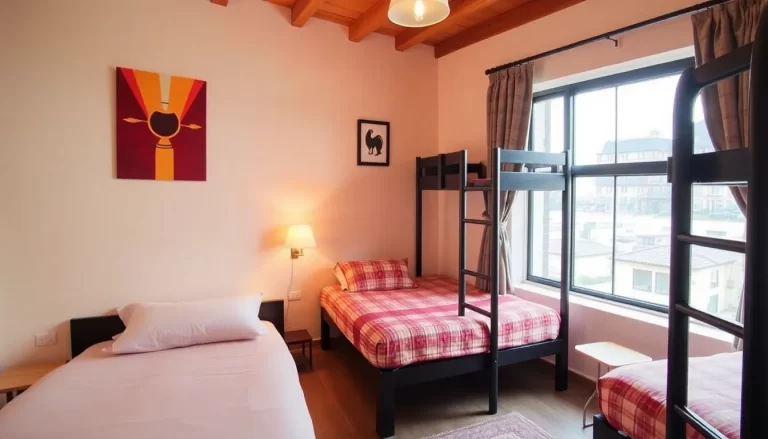
- Accommodation Options: From luxury resorts to budget-friendly hostels, there are plenty of choices to suit every traveler.
Experiencing the Nightlife of Crete
When the sun sets, Crete transforms into a lively hub of activity. The nightlife varies by region, with bustling bars and clubs in towns like Malia and Chania, catering to those seeking entertainment. Here’s what you can expect:
- Beach Clubs: Many beaches have clubs that host parties with DJs and live music.
- Traditional Taverns: For a more authentic experience, visit a local taverna where you can enjoy music and dance.
- Late-Night Cafés: Sip on coffee or local drinks while soaking in the vibrant atmosphere.
Final Thoughts on Crete’s Unique Energy
Crete is a destination that resonates with the spirit of adventure. Its diverse landscapes, rich history, and vibrant culture create a unique energy that captivates visitors. Whether it’s your first visit or a return to a beloved paradise, Crete leaves an indelible mark on the soul. The island is not just a place to visit; it is a journey into a world where childhood dreams can come alive and history unfolds around every corner.